Control dog odor apartment problems by finding the source first, not by adding a stronger candle. Dog smell in a small home can come from the dog, the bed, the sofa, wet towels, food bowls, trash, old accidents, paws, ears, teeth, skin, or poor air movement. When all of that lives in a few hundred square feet, the smell can feel personal, embarrassing, and weirdly hard to locate.
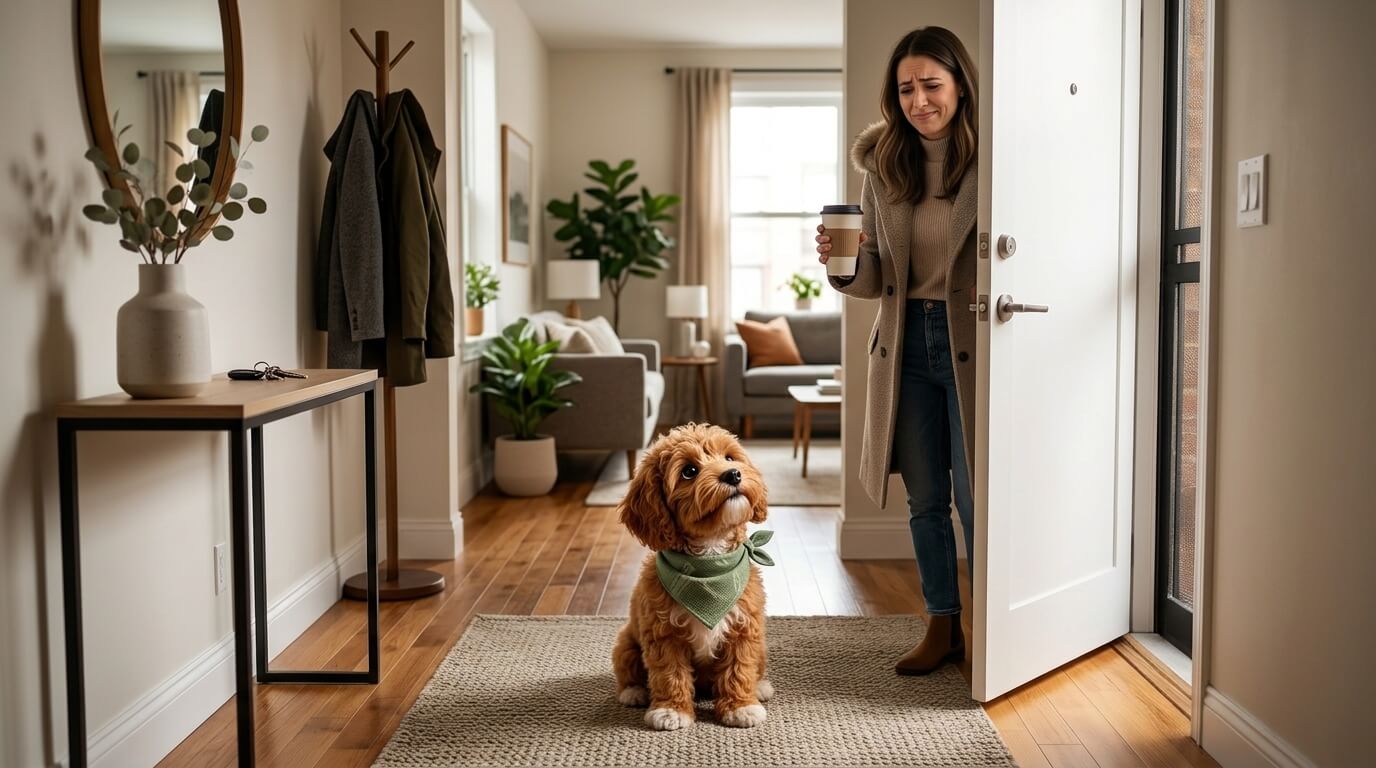
The awkward part is that owners often go nose-blind. You may stop noticing the smell until you come home after a few hours, open the door, and get that little stomach-drop feeling: “Oh no, is this what my apartment smells like to other people?” That moment is not a character flaw. It is a signal to stop guessing and do a proper odor audit.
This guide is not about making your apartment smell perfumed. It is about making it smell clean: healthy dog, clean fabric, dry surfaces, managed humidity, washed bowls, controlled accident spots, and enough ventilation that your home does not hold yesterday’s wet walk.
Quick Answer
To control dog odor in an apartment, check your dog’s ears, teeth, skin, paws, coat, bedding, favorite furniture, food area, trash, and accident spots. Wash soft surfaces on a schedule, dry your dog after wet walks, use enzymatic cleaner for urine or stool accidents, clean bowls daily, improve ventilation when weather allows, use air filtration as support, and call your veterinarian if the odor is strong, sudden, fishy, yeasty, rotten, or paired with itching, discharge, pain, vomiting, diarrhea, or appetite changes.
| Smell Type | Likely Source | First Move |
|---|---|---|
| Wet dog smell | Damp coat, towels, bedding, poor airflow | Dry dog and fabrics fully |
| Sour or stale fabric smell | Dog bed, sofa cover, blankets | Wash covers and dry completely |
| Urine smell | Old accident, indoor potty, rug edge | Use enzymatic cleaner and locate source |
| Fishy smell | Possible anal gland issue or rear-end odor | Call your veterinarian if persistent |
| Bad breath | Teeth, gums, mouth, digestive or medical issue | Check dental care and call vet if strong |
| Yeasty or musty smell | Ears, skin folds, paws, damp coat | Check skin and ears; avoid masking |
If dog hair is part of the smell cycle, pair this with get dog hair off everything. Hair carries dander, saliva, outdoor dust, and odor into fabric.
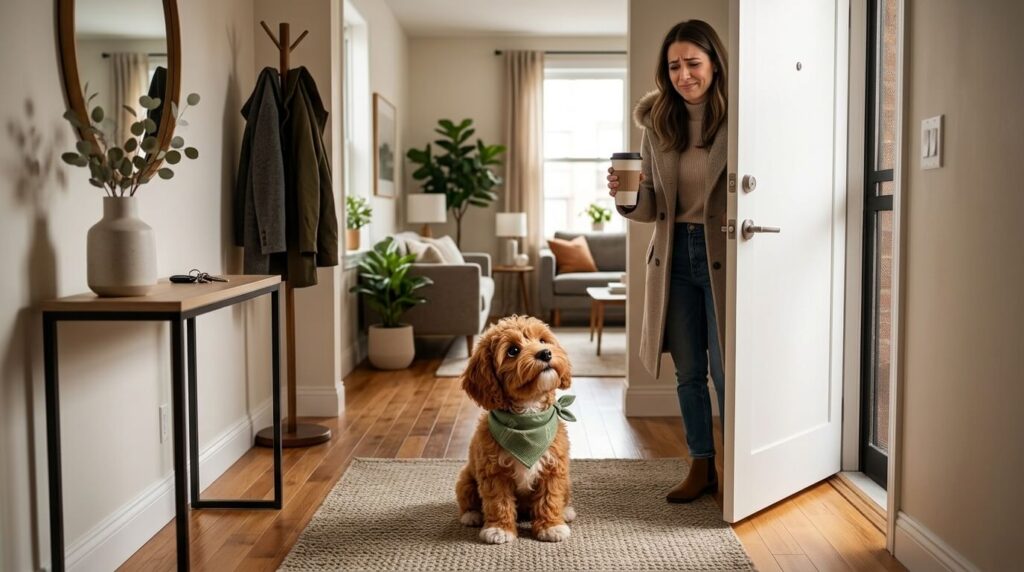
Table of Contents
Start With the Odor Audit
Before cleaning the entire apartment, walk through it like a stranger. Leave for a short errand if you can, then come back and notice the first smell at the door. Is it wet fabric? Food? urine? trash? stale bedding? A dog-body smell? The first few seconds matter because your nose adapts quickly.
Then check zones in this order:
- Dog bed and blankets
- Sofa or chair where the dog rests
- Entryway towel or paw mat
- Food and water bowls
- Trash can and treat storage
- Indoor potty area or previous accident spots
- Bathroom towels used after baths or rain
- Your dog’s ears, mouth, paws, skin, and rear end
Do not skip the dog. Many apartment owners clean the room repeatedly while the actual source is an ear infection, dental disease, itchy skin, anal gland issue, or damp coat. ASPCA notes that ears and teeth are often sources of odor-causing bacteria, and that persistent stink should be checked by a veterinarian when grooming does not solve it.
Make a Smell Map
If the odor feels vague, make a quick smell map. It sounds a little silly until it works. Stand at the front door and notice the first impression. Then move to the sofa, dog bed, kitchen, bathroom, closet, entry mat, and windows. Write one word for each zone: sour, wet, urine, food, trash, fishy, yeasty, dusty, or clean.
This prevents the classic apartment mistake: cleaning the whole floor because the couch blanket smells sour. Or bathing the dog because the entry towel never dries. Or blaming the trash because an old urine spot under a rug keeps reappearing whenever humidity rises.
Use your hands too, not just your nose. Feel for damp fabric. Check whether a dog bed insert is dry in the center. Smell the towel you use after rainy walks. Lift the corner of washable rugs. Open the food bin. Smell the inside of the trash lid. The source is often less mysterious once you stop treating the whole apartment as one big smell.
If you are embarrassed doing this, that is normal. It means you are doing the real work instead of pretending a candle will solve it. Odor problems are practical, not moral. You are allowed to troubleshoot them like plumbing.
Odor Source One: The Dog
A healthy dog has a normal dog smell. That is different from a sharp, rotten, sour, fishy, yeasty, or suddenly intense smell. If you notice odor from the mouth, ears, paws, skin folds, rear end, or coat, look closely before reaching for a room spray.
Mouth
Bad breath is common, but strong bad breath can point to dental problems. ASPCA notes that halitosis can be an early sign of mouth trouble and may involve bacteria, plaque, tartar, or gum disease. If breath is especially offensive or comes with appetite loss, vomiting, excessive drinking, or excessive urination, get veterinary advice.
For home care, use dog dental care at home. Dental odor does not disappear because the apartment smells better.
Ears
Ear odor is not a cleaning preference. It can mean wax buildup, moisture, yeast, bacteria, allergies, or infection. ASPCA lists odor, discharge, redness, swelling, head shaking, and scratching as signs that should be checked. Do not push cotton swabs into the ear canal or keep adding cleaner without knowing what is wrong.
Paws and skin
Paws can smell from sweat, damp fur, yeast, bacteria, sidewalk grime, or licking. Skin odor can come from allergies, infection, parasites, poor grooming, mats, or moisture trapped under thick coat. If your dog scratches, chews, licks, has redness, hair loss, scabs, greasy coat, or hot spots, schedule a veterinary check.
After wet walks, dry paws and belly before your dog climbs onto fabric. For rainy entry routines, see portable dog paw washer.
Rear-end odor
A sudden fishy smell can come from anal glands. VCA explains that anal sacs produce a foul-smelling fluid and can become a problem when impacted or diseased. If your dog scoots, licks the rear, smells fishy, seems painful, or the odor keeps returning, call your veterinarian rather than trying random cleaning products.
Odor Source Two: Soft Surfaces
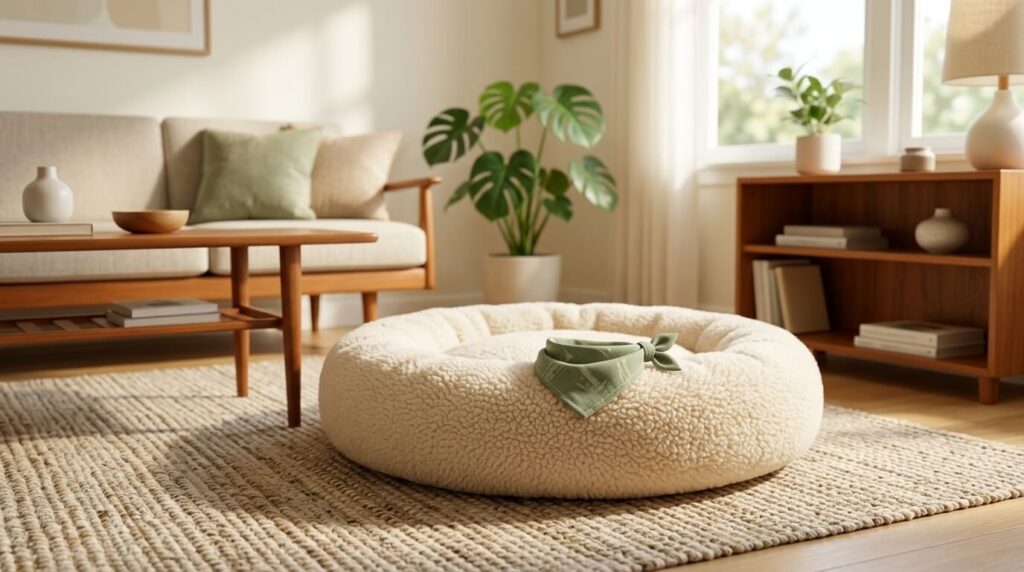
Dog beds, blankets, sofa covers, rugs, and throw pillows hold odor longer than hard surfaces. A dog may smell fine after a bath, then lie on a sour bed and smell bad again by dinner. This is why owners feel like grooming “does not work.” Sometimes the dog is clean and the fabric is not.
Build a soft-surface schedule:
- Wash dog bed covers weekly or every other week.
- Use washable throws on favorite sofa spots.
- Dry bedding completely before putting it back.
- Vacuum or brush upholstery before odor sets in.
- Replace flattened inserts that still smell sour after proper washing and drying.
Moisture is the enemy. A damp bed, towel, or blanket in a small apartment can smell worse than the dog. If a bed insert cannot be washed or dried well, use a washable waterproof liner or choose a more apartment-friendly bed. The guide on small apartment dog beds can help you avoid beds that trap odor.
Odor Source Three: Accidents and Indoor Potty Areas
Urine odor is stubborn because it can hide under rugs, in carpet padding, along baseboards, under mats, or around an indoor potty tray. If the apartment smells clean after mopping but smells like urine again the next day, the source may be deeper than the surface.
Use enzymatic cleaner for urine, stool, and vomit accidents. Follow the product directions and give it enough contact time. Do not just spray and wipe immediately if the label says to soak. Avoid steam cleaning fresh urine before enzyme treatment because heat can set odor into some materials.
If your dog uses an indoor toilet, odor control has to be daily. For decision-making and setup, see litter box for dogs. For dogs who avoid indoor potty areas or start missing, see litter box avoidance dogs.
Sudden accidents in a previously trained adult dog should not be treated only as a cleaning problem. Use adult dog potty training regression if accidents appear out of nowhere.
Odor Source Four: Food, Bowls, and Trash
Food odor is easy to underestimate. Wet food cans, greasy kibble crumbs, treat bags, dirty bowls, and trash lids can make a small kitchen smell dog-heavy. Wash food and water bowls daily. Wipe the floor around the feeding area. Keep dry food in its original bag inside a sealed container. Throw away old treats that smell stale or oily.
If you feed wet food, seal leftovers promptly and refrigerate. Rinse cans before tossing them if they sit in the trash. In a studio apartment, an empty can in a small trash bin can announce itself like it pays rent.
Food choice can affect stool, gas, and bowl odor too. For format decisions, see wet food vs dry food dogs.
Odor Source Five: Airflow and Humidity
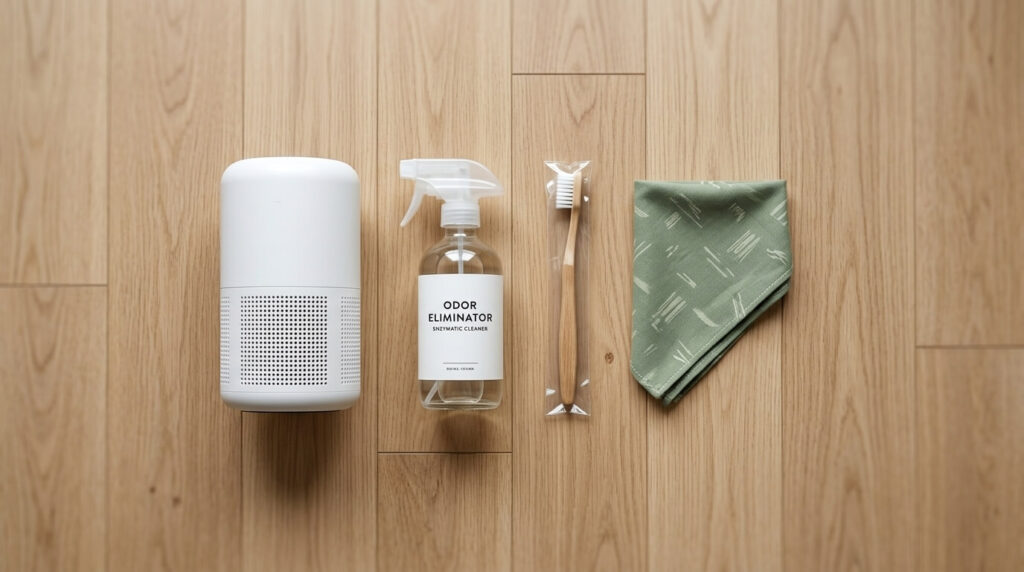
Air cleaners can help, but they are not magic odor erasers. EPA explains that the most effective indoor air strategy is source control, followed by ventilation when possible, with filtration as a supplement. In dog-odor terms: clean the bed, dry the dog, remove the accident source, then use air filtration to support the room.
Open windows when weather, safety, and building conditions allow. Use bathroom and kitchen fans that exhaust outdoors. Do not trap damp towels in a closed bathroom. Keep humidity in a reasonable range; EPA commonly recommends keeping indoor humidity below 60%, ideally around 30-50%, to reduce conditions that support biological contaminants.
Air purifiers work best when sized for the room and maintained. Change filters on schedule. If the filter intake is covered with dog hair, clean the surrounding room too. For dry-air and humidity issues, see dog humidifier for dry skin.
What Not to Use
Avoid turning odor control into fragrance layering. Strong candles, plug-ins, sprays, powders, and essential oils can irritate sensitive dogs and may be unsafe depending on ingredients and exposure. They also do not remove the source.
Be especially cautious with essential oils around pets. Some products marketed for homes are not automatically safe for dogs, and cats in the household can be even more sensitive to certain substances. If you use any scented product, follow label directions, ventilate, and stop if your dog coughs, sneezes, avoids the room, drools, vomits, or seems uncomfortable.
The cleanest apartment usually smells like very little. That may feel less exciting than a “fresh linen” fragrance, but it is better for understanding whether the real odor problem is gone.
A 20-Minute Odor Reset
When you need the apartment to smell better today, use this order:
- Remove trash and wet food cans.
- Put dog blankets or covers in the wash.
- Open a window or run exhaust fans if safe.
- Check the dog’s ears, mouth, paws, and rear for obvious odor.
- Spot-clean accidents with enzymatic cleaner.
- Wipe food and water bowls.
- Vacuum or microfiber the dog’s main resting area.
- Dry any damp towels, mats, or entry rugs.
This is not a deep clean. It is triage. The point is to remove the strongest sources first. Spraying the room before doing these steps usually creates scented dog smell, which is somehow worse.
Before Guests Arrive
Guest odor panic is real. The mistake is trying to make the apartment smell “nice” in the last five minutes. Strong fragrance over dog odor can make the room feel less clean, not more. Instead, aim for neutral.
Start with the guest path: entryway, sofa, bathroom, and trash. Put the dog bed cover or favorite blanket in the wash if it smells sour. Remove wet towels and food cans. Open a window briefly if weather and safety allow. Wipe the food area. Check the bathroom trash. Then sit where the guest will sit and smell that spot. This sounds overly practical because it is. Guests experience the apartment from a few specific places, not from your entire cleaning to-do list.
If your dog greets guests excitedly, wipe paws and brush loose hair before they arrive rather than after they are already in the room. A clean sofa does not stay clean long when a damp, excited dog jumps onto it. For greeting chaos, use stop dog jumping on guests so odor control and manners support each other.
Finally, do not apologize for owning a dog before anyone says anything. That nervous apology can make you seem less confident about your own home. Do the practical reset, keep the air moving if you can, and let the apartment be a lived-in but cared-for space, not a showroom staged for strangers.
The Weekly Odor Routine
A small routine beats occasional panic cleaning. Try this:
- Daily: wash bowls, remove food trash, dry wet paws and towels.
- Twice weekly: vacuum or brush the dog’s favorite fabric spot.
- Weekly: wash dog bedding and entry mats.
- Weekly: check ears, teeth, paws, skin, and coat.
- Monthly: clean vacuum filters, air purifier filters, baseboards, and hidden rug edges.
If this sounds like too much, start with the one smell source guests would notice first: bed, sofa, food area, or entryway. Small wins change the whole apartment faster than a perfect checklist you never repeat.
Different Odors Need Different Responses
Wet dog smell after walks
This is often a drying problem. Dry the coat, paws, belly, harness, leash, towel, and entry mat. A wet harness hanging in a closed closet can make the apartment smell like the dog even when the dog is clean.
Sour laundry smell
This usually means damp fabric sat too long or was not dried fully. Rewash with appropriate detergent, dry completely, and stop putting damp dog towels in a closed hamper. Dog laundry needs air until wash time.
Urine smell that returns
Returning urine odor usually means the source was not fully treated or moisture is reactivating deeper residue. Use enzymatic cleaner correctly and check under rugs, mats, furniture legs, and baseboards. If accidents are ongoing, solve the potty issue, not just the smell.
Food-bin smell
Greasy kibble dust can coat containers. Keep dry food in the original bag inside the bin, wipe the bin when crumbs collect, and do not mix old crumbs with a new bag. If food smells rancid, do not keep feeding it because the bag was expensive.
Body odor that returns after bathing
This is the one to take seriously. If a bath helps for one day and then the same strong smell returns, look for ears, skin, mouth, paws, anal glands, or bedding. Repeated bathing without a diagnosis can make some skin problems worse.
When to Call the Veterinarian
Call your veterinarian if odor is sudden, strong, fishy, yeasty, rotten, or tied to one body part. Also call if odor appears with scratching, licking, head shaking, ear discharge, red skin, hair loss, scooting, pain, vomiting, diarrhea, appetite change, increased thirst, accidents, or lethargy.
Do not keep bathing a dog who smells bad again the next day. Repeated bathing can irritate skin if the underlying issue is allergies, infection, ears, dental disease, or anal glands. A professional diagnosis can save weeks of cleaning the wrong thing.
Common Mistakes
Masking instead of finding the source
Fragrance can hide the problem for an hour and confuse your nose. Find the source first: dog, bedding, accidents, food, trash, or airflow.
Washing the dog but not the bed
A clean dog on a dirty bed becomes a smelly dog again. Wash the surfaces the dog touches most.
Leaving damp items in closed rooms
Wet towels, entry mats, harnesses, and blankets smell fast in small spaces. Dry them fully.
Ignoring dental and ear odor
Apartment cleaning will not fix mouth or ear problems. Strong breath or ear smell deserves a closer look and often veterinary guidance.
Expecting an air purifier to do everything
Filtration helps, but EPA emphasizes source control and ventilation. Clean the source, then support the air.
FAQ
How do I control dog odor apartment smells fast?
Remove trash, wash dog bedding, ventilate if safe, clean bowls, dry wet towels, check the dog for body odor, and use enzymatic cleaner on accidents. Do those before adding any scent.
Why does my apartment smell like dog even after cleaning?
The source may be hidden in bedding, sofa cushions, rugs, carpet padding, food containers, wet towels, ears, teeth, skin, or anal glands. Cleaning visible floors may not reach the real source.
Do air purifiers remove dog smell?
They can help with some airborne particles and support indoor air quality, but they do not remove urine in carpet, dirty bedding, dental odor, ear odor, or damp fabric. Source control comes first.
How often should I wash my dog’s bed?
Many apartment dogs need bedding washed weekly or every other week, depending on shedding, skin, outdoor exposure, and odor. Wash more often after rain, accidents, illness, or heavy shedding.
Why does my dog smell fishy?
A fishy smell can come from anal glands or rear-end issues. If it persists, comes with scooting or licking, or returns quickly after cleaning, call your veterinarian.
Are candles or essential oils safe for dog odor?
They are not a true odor fix and some scented products can irritate pets. Use caution, follow labels, ventilate, and avoid relying on fragrance to cover medical or hygiene problems.
Keep the Apartment Clean Without Masking the Dog
Do one odor audit before buying anything. Leave the apartment, come back, identify the first smell, then check dog, bed, sofa, food area, trash, accident spots, and damp items in that order. Once you know the source, the fix becomes smaller, kinder, and much less frustrating.