Dog Humidifier for Dry Skin: Quick Answer
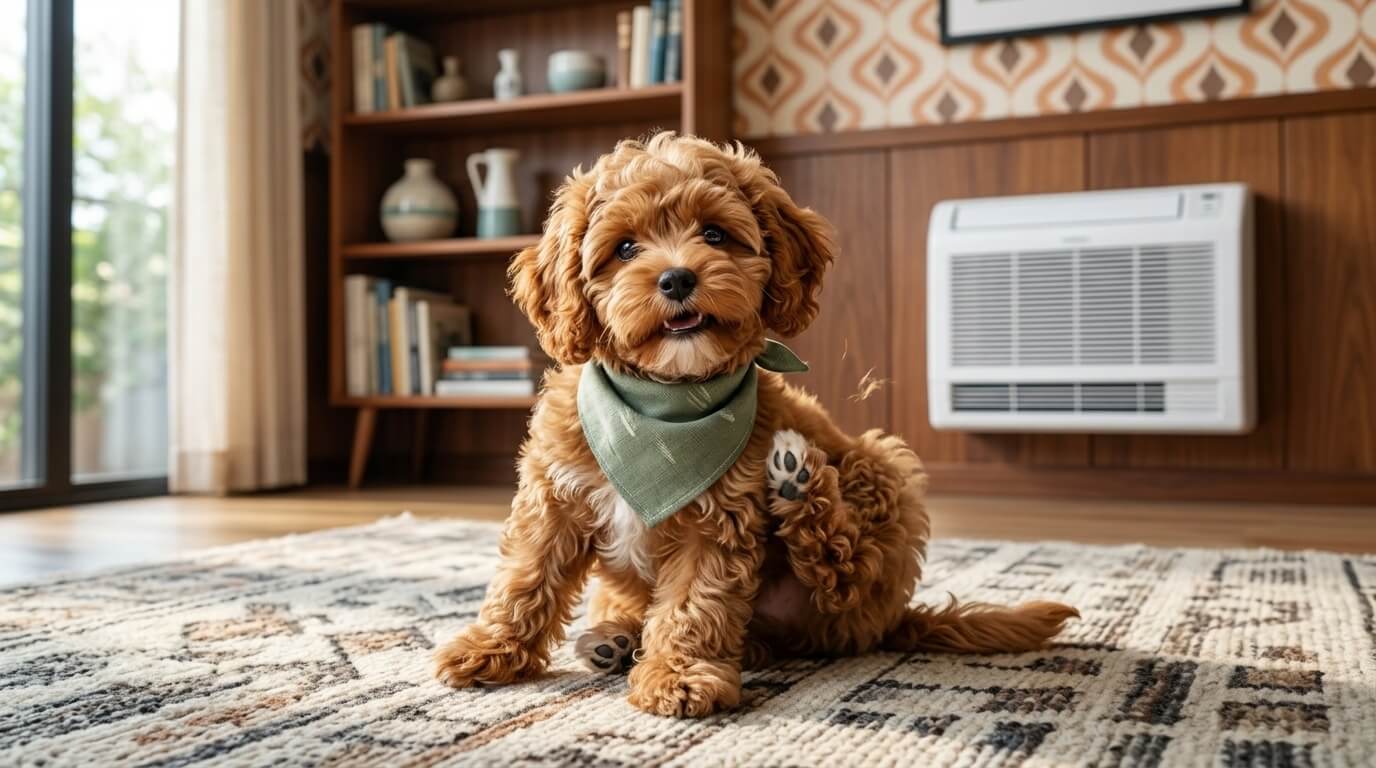
A dog humidifier for dry skin may help if your apartment air is genuinely dry and your dog has mild dryness that seems worse during heating season, air-conditioning season, or in a climate-controlled high-rise. But it is not a treatment for every itchy dog. Dry skin can also come from allergies, fleas, mites, skin infections, poor grooming fit, frequent bathing, diet issues, endocrine disease, pain-related licking, or other medical problems.
Before buying anything, use a hygrometer to measure indoor humidity. If the apartment is very dry, a clean cool-mist humidifier may be worth considering for the room where your dog sleeps. Keep humidity moderate, place the unit away from the bed and cords, clean it often, use plain water according to the manufacturer directions, and avoid essential oils. If your dog has red skin, sores, hair loss, odor, constant scratching, coughing, wheezing, nasal discharge, or sudden behavior changes, call your veterinarian instead of trying to solve it with moisture alone.
This guide is not a brand ranking. It is a decision guide for apartment owners who want to know whether a humidifier makes sense, how to use one safely, and when dry skin needs a veterinary conversation. That is a better first step than buying a device because a product page made a broad comfort promise.
Table of Contents
What a Humidifier Can and Cannot Do
A humidifier adds moisture to indoor air. In apartments with forced heat, strong air conditioning, or very dry winter air, that may make the room feel less harsh for people and pets. It may reduce static, dry nose discomfort, or mild environmental dryness. For some dogs, a better humidity range can be part of a more comfortable sleep area.
But a dog humidifier for dry skin is not a skin diagnosis. If a dog scratches all night, chews paws, smells yeasty, has flakes across the back, loses hair, develops scabs, or licks one spot raw, the cause may not be dry air. A humidifier will not remove fleas, treat infection, identify allergies, rebalance an unsuitable bathing routine, or replace a veterinary exam.
The honest question is not “Which humidifier fixes dry skin?” The better question is “Is dry apartment air one likely contributor, and can I manage humidity without creating mold, dirty mist, or electrical hazards?” If the answer is yes, a humidifier can be a useful tool. If the answer is no, it can become one more appliance that creates work without solving the real problem.
Apartment owners also need to think beyond the dog. Humidity affects walls, windows, bedding, rugs, air filters, closets, and neighbors if moisture problems get serious. In a small apartment, too much moisture can collect quickly. That is why a hygrometer matters more than guessing.
7 Essential Safe Checks
1. Measure Humidity Before You Buy
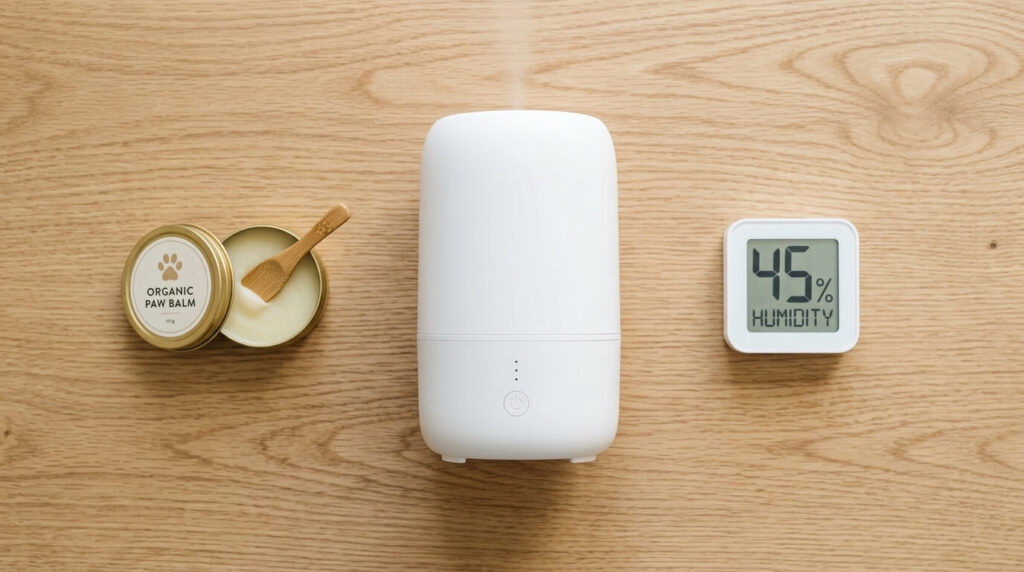
Do not judge apartment humidity by feel alone. Buy or borrow a simple hygrometer and check the room where your dog spends the most time. Measure at different times: morning, after heating or AC runs, after showering, and overnight. If the room is not actually dry, a humidifier may not be the right tool.
Many homes aim for a moderate indoor humidity range, often around the middle of the scale rather than very dry or very damp. Your building, climate, and health needs may change the ideal range. If windows fog heavily, walls feel damp, or closets smell musty, adding humidity may make the apartment worse. If the air is very dry and your dog sleeps near a vent, a small room unit may make more sense.
2. Check the Dog, Not Just the Air
Look at your dog’s skin and coat. Mild flaking during dry weather is different from raw skin, odor, swelling, hair loss, repeated ear infections, paw chewing, or intense scratching. If signs are persistent, painful, spreading, or sudden, contact your veterinarian. The goal is to avoid masking a medical issue with a household gadget.
Also consider timing. Did the itch start after a food change, new detergent, new floor cleaner, flea exposure, grooming appointment, shampoo change, move to a new apartment, or seasonal pollen shift? Dry air may be one part of the story, but it is rarely the only possibility.
3. Choose Cool Mist Over Hot Steam in Dog Areas
For most dog-accessible rooms, cool mist is the safer practical choice because it avoids hot water and steam burn risks. Warm mist units may still exist in homes, but they should be kept away from pets and cords. If your dog jumps, noses appliances, chases reflections, or plays near furniture, hot water adds unnecessary risk.
Cool mist does not mean maintenance-free. Any humidifier can become a problem if it is dirty, overused, tipped, or placed badly. The safer unit is the one you will clean correctly and use with a humidity monitor.
4. Avoid Essential Oils and Fragrances
Do not add essential oils, fragrance blends, menthol products, or cleaning chemicals to a humidifier used around dogs unless your veterinarian specifically tells you otherwise. Dogs have different sensitivities from humans, and scent products can irritate airways or create ingestion risks if they settle on surfaces.
This is especially important because many people confuse humidifiers with diffusers. A humidifier is for water vapor. A diffuser is for scent dispersal. If the goal is a safer apartment environment for a dog with dry skin or possible airway sensitivity, keep the air routine plain and boring.
5. Place It Away From the Bed, Crate, and Cords
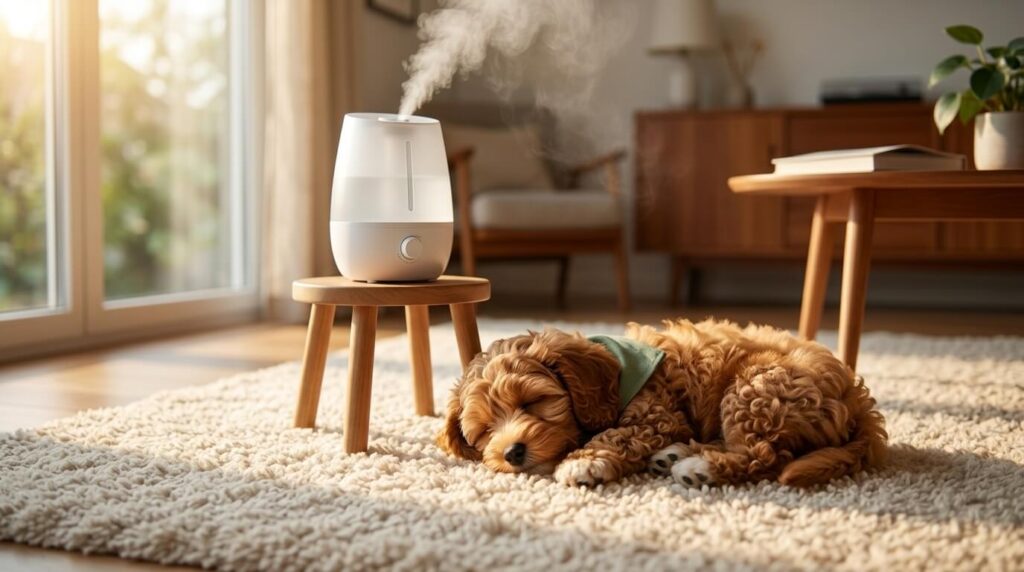
A dog humidifier for dry skin should not blow mist directly onto your dog’s bed, crate, food bowl, wall, or wooden furniture. Direct dampness can make bedding wet and encourage odor or microbial growth. Place the unit on a stable surface where your dog cannot knock it over, chew the cord, drink from it, or sleep in the mist stream.
In a studio apartment, placement may be tricky. Choose the room zone, not the closest surface. A high shelf may seem convenient, but only if it is stable, the cord is hidden, and the mist does not hit a wall or window. A low table may be easier to refill but more tempting for a curious dog. If you cannot place it safely, wait until you can.
6. Clean It More Often Than You Want To
The biggest humidifier problem is not usually the purchase. It is the cleaning. Standing water, mineral deposits, and dirty tanks can make the device less healthy for the room. Follow the manufacturer’s instructions for emptying, drying, descaling, and disinfecting. Use the recommended water type if your local water creates heavy mineral dust.
If you know you will not clean it consistently, choose a simpler moisture strategy first: better bathing routine, vet visit for skin issues, washing dog bedding, moving the bed away from vents, and using a hygrometer to understand the room. A dirty humidifier is not a kindness.
7. Stop If the Apartment Feels Damp
More humidity is not always better. If windows collect condensation, fabric feels damp, closets smell musty, or you see mold spots, stop using the humidifier and address moisture. Dogs with skin issues do not benefit from an apartment that becomes damp, musty, or mold-prone.
In apartments, moisture can collect behind furniture, around window frames, under rugs, and in bathrooms with poor ventilation. Check these areas before running a humidifier nightly. If your building already has moisture problems, speak with property management and focus on fixing the source.
Who Should Consider a Humidifier
A humidifier may be worth considering if your hygrometer shows low humidity, your dog has mild dry flakes without red flags, symptoms appear mainly during heating or AC seasons, and your veterinarian does not suspect a medical issue. It may also be useful if people in the home are already using a humidifier responsibly and the dog sleeps in the same dry room.
Apartment dogs who sleep near forced-air vents may be more affected by dry airflow. Dogs with short coats, seniors with thinner skin, and dogs in dry climates may seem less comfortable when air is very dry. Still, the device should support a broader plan: gentle grooming, appropriate bathing frequency, clean bedding, balanced diet, and veterinary care when signs persist.
If skin health is part of a bigger wellness concern, look at food and routine too. The guide on best diet for apartment dogs can help you think about feeding structure, while indoor dog vet visits can help you prepare for a practical appointment when a skin problem needs more than home changes.
Who Should Skip It or Ask a Vet First
Skip the humidifier-first approach if your dog has open sores, hot spots, severe itching, hair loss, bad odor, greasy skin, repeated ear problems, coughing, wheezing, nasal discharge, eye discharge, lethargy, or sudden discomfort. Those signs need medical guidance. Also ask your veterinarian first if your dog has a respiratory condition, immune compromise, chronic skin disease, or a history of allergies that already requires treatment.
You should also wait if your apartment has condensation, mold, damp carpet, musty closets, or poor ventilation. A humidifier can make those conditions worse. In that case, indoor air quality work should start with moisture control, cleaning, ventilation, and building maintenance.
A dog who chews cords, knocks over appliances, drinks from odd containers, or digs into anything new may need management before you add a device. Safety comes before comfort upgrades.
Apartment Placement and Daily Use
Place the humidifier in the room where it can affect the air without soaking surfaces. The dog does not need to lie beside it. In fact, direct mist on bedding is a bad idea. Aim for general room humidity. Keep the unit away from the crate, dog bed, food station, rugs, curtains, and electrical strips.
Use a stable table or shelf. Hide or cover cords so they cannot be chewed. Do not put the unit where a tail, toy, or zooming dog can knock it over. If your dog gets excited at night, place the humidifier outside the main play path. If your dog is crated, keep the humidifier outside the crate area and monitor the room with a hygrometer.
Run it for limited periods at first. Check how the room feels after one hour, several hours, and overnight. If humidity rises too high, reduce runtime or stop. If your apartment has a smart thermostat or poor circulation, one corner may become damp while another stays dry. Move slowly and measure.
If you are also managing dog odor, do not use humidity as an odor mask. Damp air can sometimes make odor feel worse. Use cleaning routines first, especially washable bedding, vacuuming, and food area cleanup. The guide on controlling dog odor in an apartment is a better fit for smell problems, and how to clean an apartment with a dog can help you build the wider routine.
Cleaning and Mold Prevention
A dog humidifier for dry skin needs a cleaning routine you can actually follow. Empty the tank when not in use, let parts dry, and follow the manufacturer instructions for cleaning. If your water leaves mineral residue, check whether distilled or demineralized water is recommended for your unit. Replace filters or wicks on schedule if the model uses them.
Watch for white dust, slimy film, stale smell, cloudy water, discoloration, or damp spots nearby. These are signs the setup needs attention. Do not keep running a humidifier because your dog “needs moisture” if the device itself is not clean.
Moisture control is especially important in apartments because you may have less control over ventilation. Bathrooms, closets, windows, and exterior walls can already be vulnerable to dampness. Keep furniture slightly away from walls if moisture is an issue, dry wet dog gear promptly, and do not run the humidifier in a closed room without checking conditions.
Choosing the Right Type
This is not a product ranking, but the type of humidifier matters. Use the table as a decision filter before comparing brands.
| Type | Apartment advantage | Dog-owner caution |
|---|---|---|
| Cool mist ultrasonic | Quiet and common for bedrooms | Can create mineral dust if water and cleaning are poor |
| Evaporative | Often self-regulates better as air gets moist | Filters or wicks need regular replacement |
| Warm mist | May feel comfortable for humans | Hot water and steam are less suitable near pets |
| Whole-home system | Can manage larger spaces | Usually not renter-controlled and needs maintenance |
For most renters, the best choice is simple: a unit sized for the room, easy to clean, stable, quiet enough for sleep, and compatible with a hygrometer-based routine. Fancy smart features matter less than cleaning access and safe placement.
Room-by-Room Apartment Decisions
In a bedroom, quiet operation and easy cleaning usually matter most. If your dog sleeps in the bedroom, place the unit where mist does not hit the dog bed, crate, window, curtains, or wood furniture. Check the hygrometer in the morning, not only when you turn the unit on. Overnight humidity can rise more than expected in a closed room.
In a living room, traffic flow matters. Dogs play, stretch, shake off after walks, and carry toys through open space. A humidifier on a low coffee table may be too easy to bump. A tall stand may be unstable. A side table near an outlet can work if the cord is hidden and the mist is not aimed at fabric. If your dog watches the window or reacts to passersby, do not place the humidifier in the same window zone where excitement already happens.
In a home office, ask whether the humidifier is for the dog or for you. Many dogs nap near a desk because their person is there, not because that spot is best for skin comfort. If the room is dry, fine. If the room is full of cords, rolling chairs, paper, and equipment, a humidifier may create more risk than benefit. Keep water away from electronics and choose a location your dog cannot reach during a work call. If you are also adding greenery to improve the feel of a dry room, choose plants carefully with a guide like dog safe air purifying plants.
In a bathroom, humidity may already be high after showers. Adding a humidifier there rarely makes sense unless the bathroom is unusually dry and used as a dog sleeping area, which most apartments do not need. Bathrooms are more often places where moisture control, ventilation, towel drying, and mold prevention matter.
Editorial Buying Criteria Without Product Hype
If this page later includes product recommendations, the standard should stay practical. A good humidifier for a dog apartment should have an easy-to-remove tank, clear cleaning instructions, a stable base, automatic shutoff, room-appropriate capacity, quiet operation, and no requirement for fragrance additives. A visible water level and simple controls are more useful than complicated features most owners will ignore.
Be cautious with any unit that is hard to clean, easy to tip, designed mainly for scent diffusion, too large for the room, or marketed with vague health promises. Also be cautious with tiny decorative humidifiers that look cute but run constantly beside a dog bed. Small does not automatically mean safer. The best unit is the one that fits the room, stays clean, and can be used with measured humidity rather than guesswork.
For renters, noise and maintenance are part of the decision. A loud unit may bother light sleepers or noise-sensitive dogs. A complicated unit may sit dirty because cleaning takes too long. A very large unit may push humidity too high in a studio. Before comparing prices, compare the daily routine each device requires. If the routine feels unrealistic, do not buy it yet.
Common Mistakes
Mistake 1: Buying Before Measuring
Without a hygrometer, you are guessing. Dry skin does not prove dry air, and dry air does not prove a humidifier will solve the problem. Measure first.
Mistake 2: Running It All Night Without Checking the Room
Overnight use may be fine in some dry apartments, but it can create condensation in others. Check windows, walls, bedding, and humidity readings.
Mistake 3: Adding Essential Oils
A humidifier for a dog area should not double as a scent device. Keep it plain unless your veterinarian gives a specific reason to do otherwise.
Mistake 4: Pointing Mist at the Dog Bed
Your dog does not need a damp bed. Aim for room humidity, not direct moisture on fabric, fur, or crate bedding.
Mistake 5: Ignoring the Real Skin Problem
If your dog is itchy, red, smelly, losing hair, or uncomfortable, do not keep testing home gadgets while the condition worsens. Get veterinary help.
FAQ
Can a dog humidifier for dry skin help with itching?
It may help if dry indoor air is contributing to mild dryness, but itching has many causes. If itching is intense, persistent, or paired with redness, odor, sores, or hair loss, call your veterinarian.
What humidity level is best for dogs in apartments?
There is no single perfect number for every home, dog, and climate. Many homes aim for moderate humidity rather than very dry or very damp air. Use a hygrometer, watch for condensation, and ask your veterinarian if your dog has respiratory or skin conditions.
Are warm mist humidifiers safe for dogs?
Warm mist units can involve hot water or steam, so they are usually not the best choice for dog-accessible areas. If one is used in the home, keep it far away from pets and cords.
Can I put essential oils in a humidifier around my dog?
Do not add essential oils or fragrance products to a humidifier used around your dog unless your veterinarian specifically tells you to. Plain water is the safer default.
How often should I clean a humidifier used near dogs?
Follow the manufacturer instructions closely. In general, emptying, drying, descaling, disinfecting, and replacing filters or wicks on schedule matter. If you cannot keep it clean, do not use it as a daily dog-care tool.
Can a humidifier make dog odor worse?
It can if the room becomes damp or if bedding, rugs, or the device itself are not clean. Odor problems usually need cleaning, ventilation, and source control before humidity changes.
Should I buy a humidifier or an air purifier for my dog?
They do different jobs. A humidifier adds moisture. An air purifier filters particles from air. If the issue is dry air, measure humidity. If the issue is dander, dust, smoke, or odor particles, filtration and cleaning may matter more. Some apartments need neither, and some need both managed carefully.
Next Step
If you are considering a dog humidifier for dry skin, start with a hygrometer and a skin check. If the air is dry and your dog’s signs are mild, choose a simple, cleanable cool-mist or evaporative unit, place it safely, and monitor humidity. If your dog’s skin is red, painful, smelly, patchy, or getting worse, book a veterinary visit before treating the apartment air as the main answer.
The best apartment setup is not the fanciest appliance. It is a clean room, measured humidity, safe placement, plain water, dry bedding, and a dog whose symptoms are taken seriously. That combination protects your dog better than any product promise.