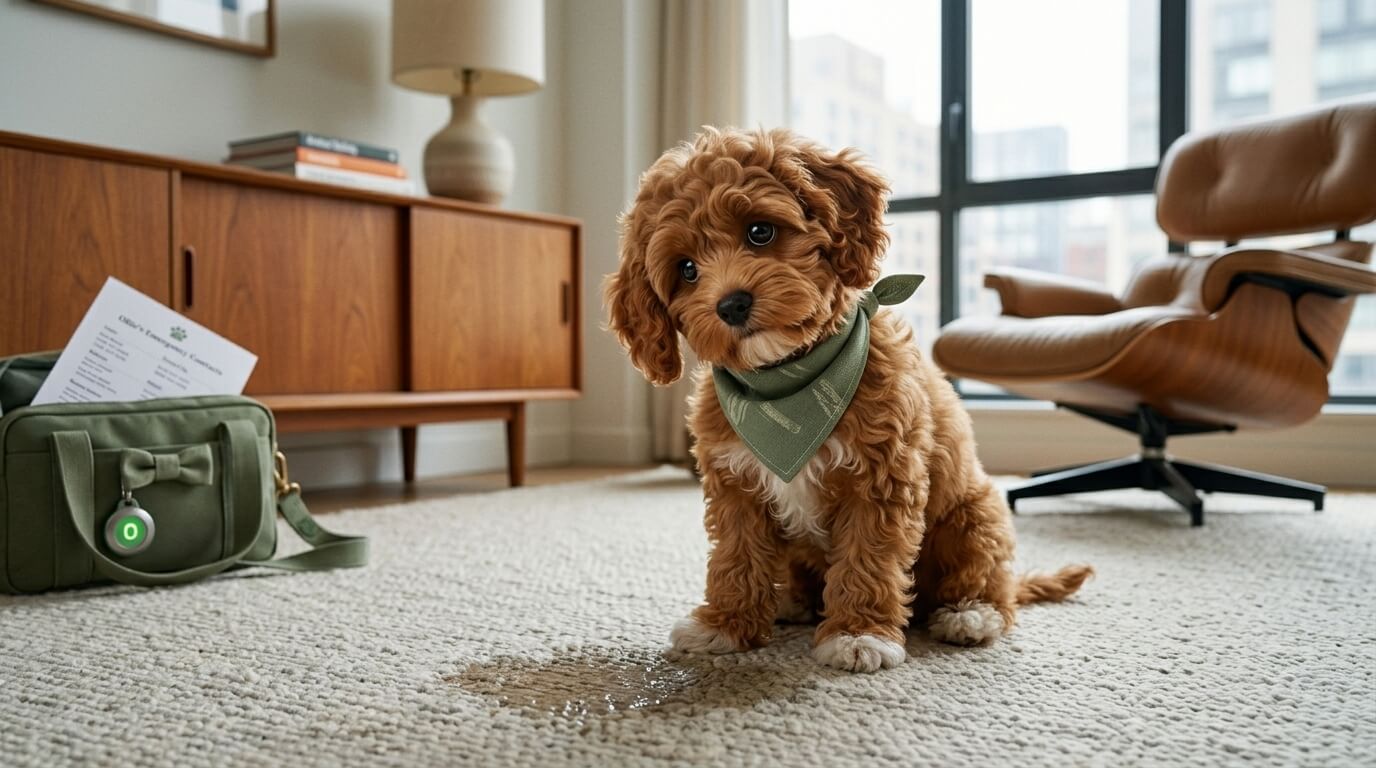
Dog potty training regression is when an adult dog who was previously reliable starts peeing or pooping inside again. In an apartment, it feels urgent because one accident can mean odor, carpet damage, neighbor stress, and fear of losing a deposit.
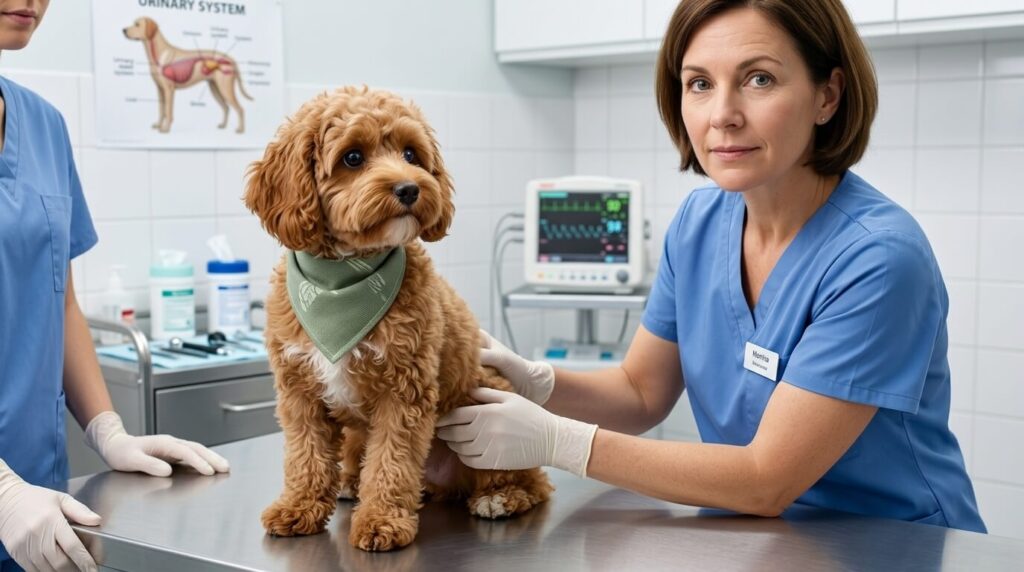
The important part is not blame. A dog who suddenly has accidents is not being spiteful. Regression usually means something changed: health, schedule, stress, access to the potty area, cleaning, age, weather, anxiety, or a routine that stopped being clear.
This guide is for adult dogs who already knew the rules and then slipped backward. If your dog never learned apartment potty skills in the first place, start with the apartment potty training guide. If you are choosing pads, grass patches, or balcony-style options, use the indoor dog potty solutions guide after you understand the cause.
Dog Potty Training Regression: Quick Answer
To fix dog potty training regression, first rule out medical causes, then reset the routine for 7 to 14 days. Take your dog out more often, reward outdoor success immediately, clean accidents with an enzymatic cleaner, block access to repeat spots, track patterns, and reduce apartment stress triggers. If accidents are sudden, frequent, painful, bloody, age-related, or paired with drinking more water, call your veterinarian before treating it as a training problem.
| What Changed? | Likely Direction | First Move |
|---|---|---|
| Sudden frequent urination | Possible medical issue | Veterinary check |
| Accidents near the door | Schedule or access problem | Shorten the interval |
| Same rug or corner | Odor memory or habit loop | Enzymatic cleaning and blocking |
| Only when alone | Anxiety, schedule, or confinement issue | Video check |
| After a move | Environment reset | Back-to-basics routine |
Table of Contents
Before You Fix It, Separate Accident Types
Not every indoor accident means the same thing. In apartments, it helps to sort the mess by pattern before choosing a fix. A puddle beside the front door after a long elevator wait is different from a tiny frequent puddle every hour. A poop accident after a diet change is different from marking the leg of a new chair. When you name the pattern correctly, the plan becomes much less emotional.
| Pattern | What It May Mean | Best First Response |
|---|---|---|
| Large puddle near the door | The dog tried to wait but the trip came too late | Shorten intervals and leave earlier than urgency |
| Small frequent puddles | Possible urinary discomfort or medical urgency | Call the veterinarian and track frequency |
| Accident on a specific rug | Odor memory, soft-surface preference, or old residue | Remove or block the rug and clean deeply |
| Accidents only while alone | Schedule pressure, anxiety, or confinement stress | Use video and shorten alone-time windows |
| Accidents after noisy walks | The dog may be too stressed outside to finish | Use quieter routes and longer sniffing time |
This is the part that keeps the plan humane. If the evidence points to health, pain, age, or anxiety, the answer is not stricter discipline. If the evidence points to access, schedule, odor, or routine drift, you can often fix it with a boring reset and better management.
Why Adult Dogs Regress
Adult dogs can lose reliability for simple reasons. A new job schedule adds two more hours between walks. A neighbor’s renovation makes the hallway scary. Rain turns the outdoor potty route into something your dog avoids. A new rug smells interesting. A move changes every landmark the dog used to understand.
Apartment dogs also have a harder chain of events than dogs with yards. They may need to wait for an elevator, pass other dogs, walk through a lobby, cross a parking lot, and find a suitable spot. When any part of that chain becomes stressful or too slow, accidents can start.
The fix is usually not one magic command. It is a short investigation followed by a very clear reset. Your goal is to make the right choice easy, reward it quickly, and remove the indoor pattern that keeps pulling your dog back.
Fix 1: Rule Out Medical Causes First
This step matters most. A dog who suddenly starts peeing inside may be dealing with a urinary tract infection, bladder stones, kidney disease, diabetes, pain, medication side effects, mobility problems, cognitive decline, or another medical issue. Poop accidents can also come from digestive upset, urgency, pain, diet changes, parasites, or age-related problems.
Call your veterinarian if the accidents are sudden, frequent, unusual for your dog, or paired with any of these signs:
- Straining to pee or poop.
- Blood in urine or stool.
- Drinking much more water than usual.
- Repeated small puddles.
- Accidents during sleep.
- Whining, licking, or seeming uncomfortable.
- New confusion in a senior dog.
- Vomiting, diarrhea, appetite change, or lethargy.
Do not punish a dog for symptoms. If a health problem is creating urgency, fear, pain, or loss of control, stricter training will not solve it. Once your veterinarian rules out or treats medical causes, the training reset below becomes much more fair.
What to Tell Your Veterinarian
If you call the vet, bring useful details instead of only saying “my dog is peeing inside.” That helps your veterinarian decide how urgent the visit is and what to check first. You do not need to diagnose your dog. You only need to describe what changed.
- When the first accident happened and whether it is getting more frequent.
- Whether your dog is peeing more often, drinking more, straining, licking, or waking overnight.
- Whether accidents happen during sleep, while awake, after walks, or only when alone.
- Whether stool is normal, soft, urgent, bloody, or paired with vomiting.
- Any medication, diet, treat, supplement, or schedule change from the past few weeks.
- Your dog’s age, spay/neuter status if relevant, and any past urinary or digestive issues.
For indoor dogs, veterinary checks still matter. If you need a broader routine, connect this reset with indoor dog vet visits. A clean training plan works best after medical urgency has been ruled out or treated.
Fix 2: Find the Regression Trigger
Dog potty training regression often looks random until you write it down. Track every accident for one week. Note the time, location, surface, last potty break, whether your dog was alone, weather, food changes, stress events, and what happened right before the accident.
Look for patterns like these:
- Morning accidents before the first walk.
- Evening accidents after a long workday.
- Peeing near the door, elevator, or hallway.
- Accidents only on soft surfaces such as rugs, bath mats, or beds.
- Accidents after guests, maintenance visits, construction, or loud hallway noise.
- Accidents during rain, snow, heat, or cold weather.
- Accidents when the dog is left alone.
This pattern tells you which problem to solve. If the issue is a long workday, the answer may be a midday break. If the issue is a repeat rug, the answer is cleaning and blocking. If the issue is fear of the elevator, you may need a confidence plan rather than more scolding.
Set Up the Apartment for a Clean Reset
A reset works better when the apartment quietly supports the right choice. Before you start the seven days, make the environment easier. Pick one exit route, one potty phrase, one reward pocket, and one safe supervised zone inside. Put the leash where you can reach it quickly. Remove tempting bath mats or small rugs for the week. If your dog has been sneaking into another room to pee, close that door before you need to chase them.
For renters, I would also protect the surfaces before the next accident. Use washable throws on furniture, a temporary gate near repeat rooms, and a waterproof layer under any dog bed that has become suspicious. This is not because your dog is bad. It is because every repeated accident teaches the apartment to smell more like a bathroom.
During the reset, make outdoor success easy and emotionally quiet. Do not turn every trip into a lecture, a long walk, or a social event. Go to the spot, give the dog time, reward immediately, and come back calmly. Many adult dogs recover faster when the routine feels predictable rather than dramatic.
Fix 3: Run a 7-Day Apartment Reset
For the next week, act as if your adult dog is learning the apartment routine again. This is not an insult to your dog. It is a short reset that removes confusion and rebuilds a clean reward history.
Day 1: Remove Freedom Around Accident Zones
Block access to the rug, corner, bedroom, hallway, or couch area where accidents keep happening. Use doors, gates, a playpen, leash supervision, or a smaller dog-safe room. If the dog can rehearse the same mistake all day, the pattern gets stronger.
Day 2: Increase Potty Chances
Take your dog out more often than you think they need. Use a short, boring potty trip after waking, after meals, after naps, after play, before you leave, when you return, and before bed. For one week, convenience matters less than clarity.
Day 3: Reward the Exact Moment
Bring small treats outside. Reward immediately after your dog finishes peeing or pooping in the right place. Do not wait until you are back in the apartment. The reward needs to connect with the outdoor choice, not the elevator ride home.
Day 4: Add a Consistent Cue
Use one calm phrase such as “go potty” when your dog is about to go. Keep it low-pressure. The cue is not a command that forces the body to work; it is a predictable signal that this is the right time and place.
Day 5: Watch the Pre-Accident Signs
Many dogs show small warnings before an accident: sniffing, circling, leaving the room, staring at the door, pacing, or becoming suddenly quiet. If you see these signs, interrupt calmly and go out. Do not yell. You want the dog to trust that asking for help works.
Day 6: Test a Small Amount of Freedom
If there were no accidents for several days, allow a little more freedom after a successful outdoor potty break. Keep the dog in sight. Freedom should expand slowly, not all at once.
Day 7: Review the Pattern
At the end of the week, look at your notes. If accidents dropped, keep the routine for another week before relaxing. If accidents continued, the cause may be medical, anxiety-related, schedule-related, or connected to a spot that still smells like a bathroom.
Fix 4: Clean the Apartment Correctly
Cleaning is not just about smell for humans. Dogs can detect odor that seems gone to us. If a rug, floor seam, crate mat, or sofa edge still smells like urine or stool, it can invite repeat accidents.
Use an enzymatic cleaner made for pet urine and follow the label directions. In many cases, the area needs to stay wet long enough for the cleaner to work. Spraying lightly and wiping immediately may not reach the deeper odor in rugs, pads, or fabric.
For renters, protect the deposit by acting early. Blot fresh urine before scrubbing. Check whether liquid reached the rug pad. Wash machine-safe items separately. Keep dogs away from the spot while it dries. If the area keeps attracting accidents, block it completely until the habit fades.
If damage risk is already high, revisit the dog proof rental apartment guide. Dog-proofing is not only about chewing. It also means protecting floors, rugs, doors, and furniture while your dog is in a reset period.
Soft Surfaces Are Usually the Hidden Problem
Apartment potty regression often keeps repeating because the dog has chosen a surface, not because they forgot every rule. Rugs, bath mats, dog beds, sofa blankets, laundry piles, and carpeted corners can all feel absorbent and familiar. If one accident happened there and the odor was not fully removed, the surface becomes even more convincing.
For one week, be ruthless about soft surfaces. Pick up bath mats. Close bedroom doors. Keep laundry off the floor. Wash dog bedding with an appropriate cleaner. If a rug has been hit more than once, remove it temporarily if you can. If you cannot remove it, block the area unless your dog has just gone outside and is supervised.
Do not test your dog by leaving the favorite accident rug available. That is not fair training. It is like asking someone on a diet to sit beside an open dessert tray all afternoon and then blaming them for noticing it. Remove the prompt while the new habit rebuilds.
Fix 5: Adjust the Schedule, Not Just the Dog
Many adult dogs regress because the schedule changed but the expectations did not. A dog who was reliable with a lunch break may not stay reliable when the workday becomes nine hours plus commute time. A dog who handled warm weather may struggle when winter walks become shorter. A senior dog may need more frequent chances than they did two years ago.
| Situation | Risk | Schedule Fix |
|---|---|---|
| Long workday | Waiting too long | Midday walker, neighbor help, or shorter alone block |
| Bad weather | Dog rushes or refuses to go | Shorter but more frequent trips |
| New apartment | Lost routine | Temporary puppy-style schedule |
| Senior dog | Reduced bladder control or mobility | More breaks and vet guidance |
| Dog alone only | Anxiety or confinement problem | Video check and alone-time plan |
If accidents happen while your dog is alone, read the how long dogs can be left alone in an apartment guide. The problem may not be potty training. It may be that the alone-time window is too long for your dog’s age, body, or emotional comfort.
Fix 6: Reduce Stress Triggers in the Building
Apartment potty regression often begins outside the apartment door. A dog may hold it because the hallway is noisy, the elevator is crowded, another dog lunged last week, or the potty area feels unsafe. Then the dog returns home and has an accident in the quiet apartment.
Common apartment triggers include:
- Elevator doors opening suddenly.
- Dogs barking behind other doors.
- Slippery lobby floors.
- Construction noise.
- Busy sidewalks.
- Night walks in poorly lit areas.
- Rain, salt, snow, or hot pavement.
If your dog looks tense outside, make the potty trip easier. Use a quieter exit if available. Go at lower-traffic times. Bring treats. Give your dog a few minutes to sniff. Avoid dragging them to the most stressful patch of grass. The faster your dog feels safe enough to go outside, the less likely they are to save it for the living room.
If accidents are linked to being alone, barking, pacing, or panic, use the dog separation anxiety in apartments guide. Anxiety-related accidents need a behavior plan, not punishment.
If Accidents Happen When You Are Gone
Accidents that happen only during alone time need a different level of attention. Sometimes the dog simply waited too long. Sometimes they drank more water than usual, had a stressful morning, or missed a full potty break before you left. But if the accident appears with barking, pacing, drooling, scratching, or destruction, you may be looking at anxiety or confinement distress.
Use a phone or pet camera for one or two short departures. You are not trying to spy on your dog forever. You are trying to answer a practical question: does the dog rest and then have an accident later, or do they panic soon after you leave? Those are different problems.
| Video Clue | What It Suggests | What to Change |
|---|---|---|
| Dog sleeps, wakes later, then has an accident | Duration may be too long | Add a break or shorten the alone window |
| Dog paces and vocalizes soon after you leave | Alone-time stress | Reduce departures and work on separation comfort |
| Dog scratches doors or crate before the accident | Confinement or barrier distress | Change management setup and rebuild comfort |
| Dog calmly uses the same indoor spot | Habit loop or odor cue | Block the spot and clean deeper |
If the video points to panic, do not solve it by crating longer or scolding after you return. Pair this guide with dog separation anxiety in apartments and ask for professional help if your dog is injuring themselves or cannot settle.
Fix 7: Choose Indoor Backups Carefully
Indoor potty options can help some apartment dogs, but they can also confuse the plan if used casually. A grass patch, pee pad, or porch potty should have a clear purpose: emergency weather backup, senior comfort, puppy transition, medical support, or a realistic schedule bridge.
If your adult dog is only having occasional regression accidents, do not automatically add pads in the middle of the living room. That may teach a new indoor habit. If you do use an indoor option, put it in one consistent location, reward correct use, clean mistakes thoroughly, and keep the long-term goal clear.
Indoor solutions are most useful when the dog truly cannot reach outdoors often enough. They are less useful when the real issue is a dirty rug, poor supervision, medical urgency, or fear of the hallway. Match the tool to the cause.
What Not to Do
Do Not Scold After the Fact
If you find a puddle later, your dog will not connect punishment with the earlier accident. They may only learn that you become scary around messes. Clean it, adjust management, and watch more closely next time.
Do Not Rub a Dog’s Nose in It
This is outdated and harmful. It can create fear, hiding, and more confusion. It does not teach the dog where to go.
Do Not Give Full Freedom Too Soon
After two good days, it is tempting to assume the problem is fixed. Wait. Give your dog a longer clean streak before opening every room again.
Do Not Ignore Repeat Soft-Surface Accidents
Rugs, bath mats, dog beds, and blankets can become magnets. Wash, remove, or block them during the reset.
Do Not Treat Senior Changes as Stubbornness
Older dogs may need new accommodations. If your senior dog is confused, leaking, waking at night, or forgetting familiar routines, ask your veterinarian what has changed.
Apartment-Specific Regression Scenarios
The Elevator Delay Problem
Your dog signals at the door, but the elevator takes five minutes. By the time you reach the lobby, the dog cannot wait. In this case, the fix may be earlier trips, carrying a small dog when appropriate, or building a routine where you leave before urgency is high.
The Rain Refusal Problem
Some dogs hate wet pavement, cold wind, or thunder. If they skip the outdoor potty, they may go inside later. Use shorter, more frequent weather trips, a covered route if available, and calm rewards for successful outdoor potty.
The New Rug Problem
A new rug can smell strange, feel like grass, or hold the odor of one early accident. Remove it during the reset if possible. If you cannot remove it, block access unless your dog has just pottied outside and is supervised.
The Work Schedule Problem
If you changed jobs, added commute time, or stopped coming home at lunch, your dog may not have regressed emotionally. Their body may simply be waiting too long. Adjust the schedule before assuming disobedience.
When to Use the Other Potty Guides
If your dog is having accidents because they never had a clear apartment routine, use the main how to potty train a dog in an apartment guide first. That page is better for foundation training, new dogs, puppies, and dogs who do not yet understand the outdoor route.
If the problem is choosing a pad, turf tray, grass patch, or indoor backup, use best indoor dog potty solutions. This page is different: it is for an adult dog who was already reliable and then started slipping.
Simple Tracking Sheet for the First Week
If you only make one change after reading this, start tracking. A small log often reveals the cause faster than guessing. You do not need a complicated spreadsheet. A note on your phone is enough.
| Log Item | What to Write | Why It Matters |
|---|---|---|
| Time | Morning, afternoon, evening, overnight | Shows schedule pressure |
| Location | Door, rug, bedroom, crate, hallway | Shows habit spots |
| Surface | Rug, wood, tile, bed, mat | Shows texture preference |
| Last potty break | How many hours ago? | Shows whether the interval is fair |
| Trigger | Alone time, guest, rain, noise, meal | Shows stress or routine links |
After seven days, circle the pattern that appears most often. If the answer is “always after six hours alone,” you have a schedule issue. If the answer is “always on the same rug,” you have an odor and access issue. If the answer is “any time, even after short breaks,” call the veterinarian and bring your notes.
When Regression Happens After Moving
Moving apartments can make a trained dog look untrained for a few days. The old exit, old grass patch, old smells, old elevator, and old timing are gone. Your dog may not understand that the same potty rules apply in the new building.
For the first week after a move, use a strict routine. Take your dog to the same outdoor spot, use the same cue, reward immediately, and supervise indoors. Do not give full access to every room on day one. New rooms create new corners, new rugs, and new chances for mistakes.
If your dog is nervous in the new building, keep potty trips short and predictable. Avoid meeting every neighbor dog during the first few outings. Your first goal is not socialization. It is helping your dog learn the new bathroom path without pressure.
If you are preparing for a move, the moving to apartment with dog guide can support this page. Use it for the bigger transition plan, then use this regression guide if accidents start after the move.
When Regression Happens After Crate Changes
Crate changes can also trigger accidents. A dog may regress if the crate is suddenly used for much longer periods, moved to a noisy location, made too large, made too small, or used after the dog already feels anxious. Some dogs will hold their bladder in a crate when calm but panic and lose control if the crate becomes stressful.
If accidents happen in or immediately after crate time, check the setup. Is your dog being crated longer than before? Is the crate near the front door, washer, elevator wall, or window? Did you add a soft bed that now smells like urine? Did your dog previously accept the crate, or is this actually a confinement problem?
For a dog who was previously clean in the crate, return to shorter crate sessions and more frequent outdoor breaks. Clean bedding deeply or remove it temporarily if it has become a repeat surface. If your dog panics in the crate, do not solve that with stricter confinement. Rebuild the crate association or use a safer management area.
What If the Accidents Come Back?
Relapse does not mean the reset failed. It means something changed again or one piece of the plan was removed too soon. Go back to the notes instead of starting from frustration. Did you reopen the bedroom? Did the workday stretch longer? Did rain return? Did the dog start a new food, supplement, or medication? Did a cleaned rug come back before the odor was truly gone?
When regression returns, use a smaller version of the same plan for three days: more frequent outdoor trips, tighter supervision, blocked repeat spots, immediate rewards, and a quick health check if the pattern feels sudden or unusual. Most dogs do not need a whole new philosophy. They need the old clarity restored.
If you keep cycling through improvement and relapse, the issue may be deeper than routine drift. That is when veterinary guidance, a qualified trainer, or a behavior consultant can save time and protect your apartment.
Signs the Reset Is Working
Progress is not always a perfect clean streak on day one. Look for smaller signs that the plan is moving in the right direction.
- Your dog goes faster when taken to the outdoor potty spot.
- The accident location is no longer attracting repeat visits.
- Your dog signals earlier or comes toward you before an accident.
- There are fewer accidents during predictable high-risk times.
- Your dog relaxes after potty breaks instead of pacing indoors.
- You can add small amounts of freedom without immediate mistakes.
Keep the reset going for several extra days after things improve. Stopping the plan too early is one of the easiest ways to restart the cycle. A reliable adult dog can return to normal freedom, but the bridge back should be gradual.
FAQ
Why is my adult dog suddenly peeing inside?
An adult dog may suddenly pee inside because of a medical issue, longer schedule, stress, anxiety, a move, aging, weather avoidance, incomplete cleaning, or access problems. If it is sudden or repeated, start with a veterinary check.
Can dog potty training regression fix itself?
Sometimes a one-time accident does not repeat. But repeated regression usually needs action: clean the spot, shorten the schedule, reward outdoor potty, block repeat areas, and check for health or stress triggers.
How long does adult dog potty training regression take to fix?
Simple routine setbacks may improve in 7 to 14 days with a clear reset. Medical, anxiety-related, senior, or long-term habit problems can take longer and may need professional help.
Should I punish my dog for indoor accidents?
No. Punishment after an accident can create fear and confusion. Interrupt calmly only if you catch the dog in the act, go outside, reward success, and improve management indoors.
Why does my dog only have accidents when I am gone?
Accidents only when alone may come from a schedule that is too long, anxiety, confinement stress, or lack of a clear pre-work potty routine. Use video to see what happens after you leave.
Should I use pee pads for an adult dog with regression?
Use pee pads only when they solve a real problem, such as medical needs, senior comfort, severe weather, or an unavoidable schedule gap. If the goal is outdoor potty, pads can confuse some dogs unless used very consistently.
When should I call the vet?
Call your veterinarian if accidents are sudden, frequent, painful, bloody, paired with increased drinking, happening during sleep, linked to diarrhea or vomiting, or appearing in a senior dog with new confusion.
Next Step
Tonight, write down the last three accidents: time, place, surface, and what happened before each one. Then choose one clear reset for the next seven days: more frequent potty trips, better cleaning, blocked access to the repeat spot, or a veterinary appointment if the change was sudden.
Dog potty training regression feels personal in a small apartment, but it is usually solvable when you treat it as information. Find the cause, protect the apartment, reward the right behavior, and give your adult dog a fair path back to reliability.