.png)
The best apartment dogs are not always the smallest dogs. A tiny dog with a sharp alert bark can be harder in a quiet building than a larger dog who sleeps calmly after a walk. A breed that looks perfect on a list may also fail your real apartment life if the dog struggles with elevators, long workdays, heat, stairs, grooming, or hallway noise.
This guide looks at apartment dogs through the lens that matters for renters and city owners: indoor calm, noise risk, potty logistics, exercise needs, building rules, grooming, health concerns, and first-time owner difficulty. The goal is not to crown one perfect breed. The goal is to help you choose a dog who can live comfortably in a small home without creating constant stress for you, your neighbors, or the dog.
If you only want a shorter breed list for very small homes, use the best dog breeds for small apartments guide. This page is broader: it covers breed fit, renter concerns, city routines, and the practical systems that make apartment life work.
Best Apartment Dogs: Quick Answer
The best apartment dogs are usually calm indoors, trainable, not extremely vocal, physically suited to your building, and able to recover after everyday city stimulation. Good apartment dogs can be small, medium, or even large, but they need the right combination of temperament, exercise, owner schedule, and building fit.
| Apartment Situation | Often Good Fits | Be Careful With |
|---|---|---|
| Quiet building with thin walls | Cavalier, Greyhound, Bichon, calm adult rescue | High-alert barkers and under-exercised terriers |
| First-time owner | Havanese, Shih Tzu, Bichon, adult mixed-breed dog | Very intense working breeds or fragile health needs |
| High-rise with elevator | Greyhound, Cavalier, Poodle, Maltese, Boston Terrier | Dogs fearful of elevators or difficult to carry in emergencies |
| Owner works outside the home | Adult dogs with proven alone-time tolerance | Young puppies or dogs with separation distress |
| Allergy-conscious home | Poodle, Bichon, Maltese, Havanese, Miniature Schnauzer | Assuming any breed is truly hypoallergenic |
-1024x576.png)
Table of Contents
What Makes the Best Apartment Dogs Different?
A good apartment dog is not just a small dog. Apartment living compresses everything: sound, smell, movement, potty timing, neighbor tolerance, and owner routine. The dog may hear footsteps outside the door, ride elevators with strangers, pass other dogs in narrow halls, and wait for a leash before every bathroom trip.
That is why the best apartment dogs tend to share five traits. They settle indoors after appropriate exercise. They can learn not to bark at every hallway sound. Their body and health needs fit your stairs, elevator, and climate. Their grooming and care requirements fit your budget. Most importantly, their individual temperament fits your actual schedule.
1. Indoor Calm Matters More Than Size
Size affects leases, carrying ability, furniture, and travel, but indoor arousal matters more. A dog who paces, barks, jumps, and scans the hallway all evening will feel large in any apartment. A larger dog who naps, walks politely, and relaxes on a bed may feel easier than a small dog who never powers down.
2. Noise Risk Is an Apartment-Specific Issue
In a detached home, barking may be annoying. In an apartment, barking can become a neighbor problem, a lease problem, and an owner anxiety problem. Some dogs bark because they are bored. Some bark because they are guarding the door. Some bark because they are afraid when left alone. Breed tendencies matter, but training, routine, and environment matter too.
3. Potty Logistics Can Make or Break the Match
A puppy on the tenth floor has a different life than a puppy with a yard. Every potty trip may require shoes, leash, keys, elevator, lobby, sidewalk, and weather. Senior dogs, tiny dogs, and dogs with medical issues may need backup options. Before choosing a breed, think through the route from your sofa to the nearest legal potty area.
4. Renter Rules Are Real
Some apartments restrict breed, weight, number of pets, or required documents. A breed may be wonderful in theory but impossible in your lease. Always check your pet addendum, building policy, local rules, insurance restrictions, pet fees, and elevator or common-area requirements before committing.
5. Individual Temperament Beats Breed Labels
Breed gives clues, not guarantees. A calm adult dog from a foster home may be easier to evaluate than an eight-week-old puppy from a popular breed. Ask practical questions: Does the dog bark at hallway sounds? Can the dog be alone? Has the dog lived with elevators? Does the dog settle after walks? How does the dog respond to strangers, dogs, and grooming?
The 21 Best Apartment Dogs for City Living
The breeds below can work well for apartment owners when the individual dog, owner schedule, and building rules match. None of them are automatic. Every dog still needs training, veterinary care, enrichment, safe exercise, and a predictable routine.
1. Cavalier King Charles Spaniel
Best for: owners who want a gentle companion dog with a soft temperament and moderate exercise needs.
Cavaliers are often people-focused, affectionate, and adaptable to apartment routines. They can be excellent city companions because they usually enjoy being near their owner and do not need huge indoor space to feel comfortable.
Watch out for: separation sensitivity, regular grooming, and breed health concerns. Choose a responsible breeder or rescue and budget for veterinary care. A Cavalier should not be chosen only because it looks easy; the emotional and medical side matters.
2. Shih Tzu
Best for: renters who want a small companion breed with moderate walking needs.
Shih Tzus were bred as companion dogs, and many do well in apartments when their coat, eyes, and heat tolerance are managed carefully. They often enjoy predictable indoor routines and short walks rather than intense athletic work.
Watch out for: grooming costs, heat, stairs, and flat-faced breed health concerns. Keep walks sensible in hot weather and avoid assuming a small dog needs no training.
3. Bichon Frise
Best for: allergy-conscious households that can handle professional grooming.
Bichons are cheerful, small, and often social. They can fit apartment life well because they are portable, trainable, and usually happy with daily walks plus indoor play. Their coat may be helpful for some allergy-conscious homes, although no dog is truly allergen-free.
Watch out for: grooming, barking if undertrained, and alone-time tolerance. A Bichon still needs structure and cannot be expected to entertain itself all day.
4. Havanese
Best for: first-time owners who want a small, social, trainable apartment dog.
Havanese dogs often bring a pleasant mix of companion temperament and playful energy. They are small enough for apartments but typically sturdy enough for daily city routines. Many do well with reward-based training and predictable schedules.
Watch out for: grooming and clinginess. If you work long hours outside the home, build alone-time gradually and arrange support during the transition.
5. Maltese
Best for: small apartments where portability and companionship are priorities.
Maltese dogs can be excellent apartment companions for owners who enjoy close contact and regular grooming. Their small size makes elevators, taxis, and city errands easier, and many are happy with short walks plus indoor engagement.
Watch out for: barking, coat care, dental care, and fragile handling. Their small size does not remove the need for training, safe socialization, and calm routines.
6. Toy or Miniature Poodle
Best for: owners who want a smart, lower-shedding dog and can provide mental work.
Poodles are among the most flexible apartment choices because they are trainable, athletic, and available in sizes that work for smaller spaces. A Toy or Miniature Poodle can thrive in a city home with walks, training games, grooming, and predictable alone-time practice.
Watch out for: boredom. Smart dogs often create their own projects if owners do not provide enrichment. Grooming is also a real budget item, not an optional extra.
7. Greyhound
Best for: owners who want a calm adult dog and have access to safe walks.
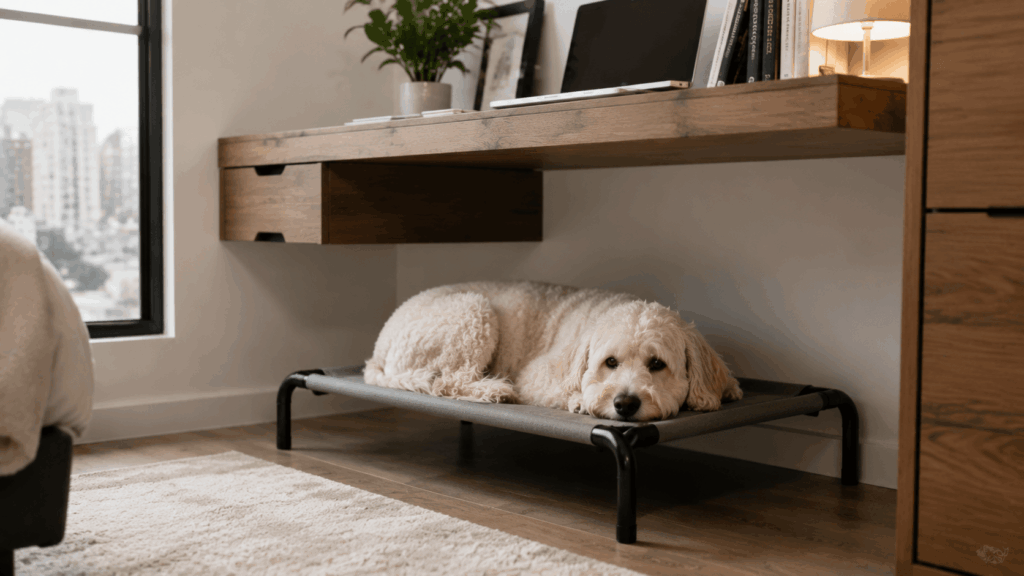
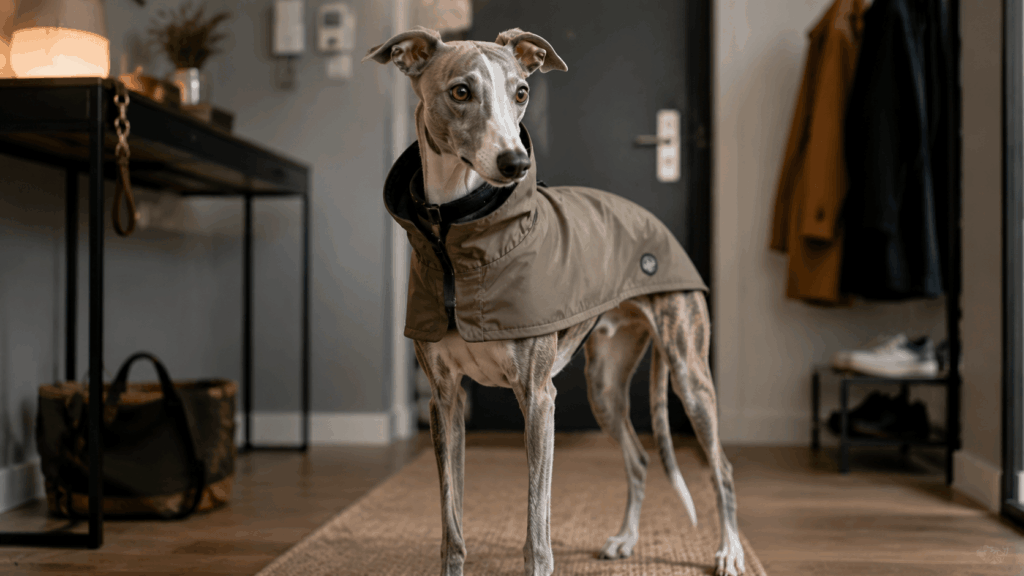
Greyhounds surprise many apartment renters because adult greyhounds are often calm indoors. They still need safe exercise, soft bedding, leash control, and temperature awareness, but they may spend much of the day resting once their needs are met.
Watch out for: prey drive, stairs, slippery floors, cold weather, and lease weight rules. A retired racing greyhound or adult rescue should be evaluated as an individual, especially around small animals.
8. Whippet
Best for: active city owners who want a sleek, quiet, medium-small companion.
Whippets are athletic outside and often relaxed inside. They can fit apartments well when they receive safe sprint opportunities, leash walks, and warm resting spots. Many are sensitive and respond best to gentle, consistent handling.
Watch out for: off-leash safety, cold weather, and prey drive. They need secure areas for running and should not be treated like low-maintenance decorations.
9. Italian Greyhound
Best for: careful owners who want a tiny, elegant companion for a quiet home.
Italian Greyhounds can be loving apartment dogs, especially in adult-only or gentle households. They are small, affectionate, and often comfortable in cozy indoor spaces.
Watch out for: fragility, house-training difficulty, cold sensitivity, and jumping injuries. They are not the easiest first apartment dog for every owner.
10. Boston Terrier
Best for: owners who want a compact, cheerful city dog with moderate exercise.
Boston Terriers often have enough personality for city life without needing a yard. They can be playful, social, and manageable in small homes when trained early and kept at a healthy weight.
Watch out for: heat, breathing concerns, excitement, and jumping. Like other flat-faced breeds, they need extra care in warm weather and during exercise.
11. French Bulldog
Best for: owners who understand brachycephalic health concerns and want a lower-exercise companion.
French Bulldogs are popular apartment dogs because they are compact, people-oriented, and often satisfied with shorter walks. Many renters like that they do not require intense exercise to be pleasant indoors.
Watch out for: breathing issues, heat sensitivity, stairs, spinal concerns, and ethical sourcing. A Frenchie can be a good apartment dog, but only with realistic health planning and careful climate management.
12. Pug
Best for: owners who want a sociable companion and can manage weight and heat carefully.
Pugs are often affectionate and adaptable to indoor life. Their small size and companion temperament can work well in apartments, especially with owners who enjoy a close, humorous little dog.
Watch out for: heat, breathing, weight gain, shedding, and eye issues. Keep exercise gentle and consistent, and work closely with a veterinarian.
13. Dachshund
Best for: owners who want a small dog with personality and can protect the dog’s back.
Dachshunds fit small homes physically and can be charming apartment companions. They often bond strongly with their people and enjoy scent games, short walks, and indoor routines.
Watch out for: barking, digging, back injury risk, stairs, jumping from furniture, and stubbornness. Use ramps, block unsafe jumps, and train door manners early.
14. Miniature Schnauzer
Best for: owners who want a smart, sturdy, lower-shedding small dog.
Miniature Schnauzers can be excellent apartment dogs for owners who enjoy training. They are compact, alert, and often eager to participate in household routines.
Watch out for: alert barking. In a shared building, this is the trait to manage from day one. Teach quiet cues, use window management, and avoid letting hallway sounds become a daily barking rehearsal.
15. Coton de Tulear
Best for: owners who want a cheerful companion breed and can handle coat care.
Cotons are small, social, and often adaptable. Their affectionate nature can make them good city companions for owners who spend enough time at home or arrange midday support.
Watch out for: grooming and dependence. Practice short, calm alone-time sessions before expecting full workdays.
16. Lhasa Apso
Best for: owners who want a small dog with a steadier, more independent temperament.
Lhasa Apsos can work in apartments because they are compact and may be less frantic than some tiny breeds. They can be loyal, alert, and comfortable with indoor routines.
Watch out for: grooming, guarding behavior, and suspicion of strangers. Socialization and polite hallway manners are important in shared buildings.
17. Japanese Chin
Best for: quiet homes that want a small companion with modest exercise needs.
Japanese Chin can be elegant, gentle apartment companions. Their size and indoor orientation may suit renters who want a calmer dog and do not need a hiking partner.
Watch out for: heat, flat-faced health concerns, and fragility. They need safe handling and careful weather decisions.
18. Chihuahua
Best for: owners who want a tiny dog and are serious about training and socialization.
Chihuahuas can thrive in apartments because they need little physical space and are easy to carry when needed. A confident, well-socialized Chihuahua can be a wonderful city companion.
Watch out for: barking, fearfulness, fragile handling, dental care, and overprotective behavior. Do not skip training just because the dog is small.
19. Basenji
Best for: experienced or highly prepared owners who want a quieter but active dog.
Basenjis are often described as less barky than many breeds, which can sound attractive for apartments. They are clean, athletic, and independent, and some can fit city life with the right owner.
Watch out for: high independence, prey drive, escape skills, and exercise needs. A Basenji is not an easy shortcut to a silent apartment dog.
20. Basset Hound
Best for: owners who want a lower-energy dog and can manage stairs, weight, and scent instincts.
Basset Hounds may be calm indoors and content with steady walks rather than intense athletic work. Their personality can suit apartment life when exercise, weight, and joint comfort are handled responsibly.
Watch out for: loud vocalizations, stairs, drool, weight gain, and stubborn scent tracking. Check lease weight limits and think about elevator access.
21. Calm Adult Mixed-Breed Dog
Best for: renters who care more about temperament than breed label.
A calm adult mixed-breed dog may be one of the best apartment dogs because you can often evaluate the actual dog, not just a puppy prediction. Foster-based rescues may know whether the dog barks, settles indoors, handles alone time, and walks politely in city settings.
Watch out for: incomplete history and transition stress. Ask specific apartment questions and plan a slow first month.
Best Apartment Dogs for First-Time Owners
For a first-time owner, the safest apartment choice is usually not the trendiest breed. It is a dog with forgiving traits: moderate exercise needs, a stable temperament, low reactivity, manageable grooming, and a realistic health profile.
Good first-time options often include Havanese, Bichon Frise, Shih Tzu, Cavalier King Charles Spaniel, Toy or Miniature Poodle, Boston Terrier, and carefully matched adult rescue dogs. These are not guarantees, but they are often more beginner-friendly than intense working breeds, high-drive herding breeds, or dogs with severe separation distress.
If this is your first dog, do not choose based only on appearance. Ask whether you can handle the dog’s daily bathroom schedule, grooming cost, vet risk, barking tendency, exercise needs, and alone-time plan. Then build the apartment before the dog arrives: sleeping area, potty routine, cleaning kit, leash station, safe trash storage, and a plan for workdays.
Apartment Dogs for Renters: Lease and Building Fit
Renters need to choose for both dog fit and lease fit. Before falling in love with a breed, check the pet policy in writing. Look for weight limits, breed restrictions, pet rent, deposits, required vaccinations, elevator rules, balcony rules, common-area rules, and limits on the number of animals.
A dog who exceeds the lease limit can create long-term stress even if the dog is behaviorally excellent. If your building has a strict weight cap, a Greyhound or Basset may not be realistic. If your building has many reactive dogs in narrow halls, a sensitive or excitable dog may need extra training from the beginning.
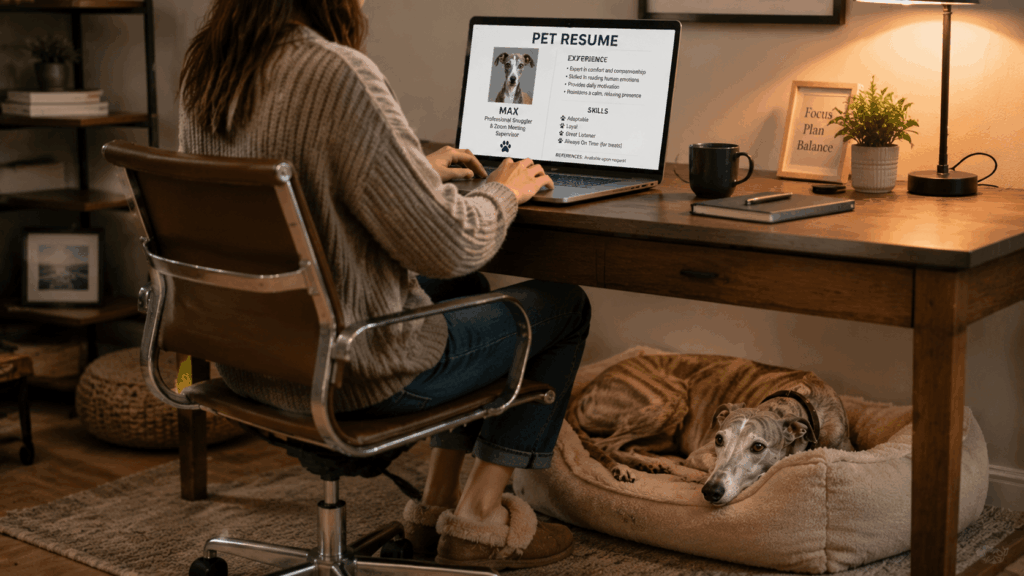
For applications, a pet resume can help. Include the dog’s age, size, vaccination status, training, references, crate or management plan, and renter’s insurance details if available. This does not override rules, but it can make a responsible owner look more credible.
Noise, Hallways, and Neighbor Reality
Even the best apartment dogs need help with the sounds of shared living. Doors close. Elevators ding. Delivery carts rattle. Other dogs pass your door. A dog who is quiet in a house may bark in an apartment because the triggers are closer and more frequent.
Set up the home to reduce rehearsal. Use a bed or crate away from the front door, block low window views if street watching leads to barking, add white noise when appropriate, and reward calm responses to hallway sounds. If barking is already a problem, read the apartment barking guide instead of hoping the dog will grow out of it.
Potty and Exercise Systems for Apartment Dogs
Apartment dogs need systems because nothing happens automatically. Bathroom breaks require a route. Exercise requires planning. Enrichment requires owner attention. A small dog may still need several outdoor trips, and a calm dog still needs sniffing, movement, and training.
For most healthy adult dogs, a realistic apartment routine includes morning potty and walk time, midday support if the dog cannot wait comfortably, evening exercise, and a final potty trip before bed. Puppies and senior dogs need more frequent access. If your dog struggles with potty training in a high-rise, use the apartment potty training guide for a more detailed plan.
Common Mistakes When Choosing Apartment Dogs
Mistake 1: Choosing the Smallest Dog Automatically
Small dogs can be wonderful apartment dogs, but small does not always mean quiet, calm, or easy. Some small breeds are intense, vocal, and sensitive to sounds. Evaluate energy and behavior first.
Mistake 2: Ignoring Alone Time
A dog who fits your apartment may not fit your job. If you work outside the home, avoid assuming the dog can handle eight hours alone immediately. Build gradually and use help when needed.
Mistake 3: Forgetting Grooming Cost
Many apartment-friendly breeds need regular professional grooming. A low-shedding coat often means more brushing, trimming, and maintenance, not less care.
Mistake 4: Believing Breed Lists Are Guarantees
Breed lists are starting points. The individual dog matters more than any article. Meet the dog, ask about real behavior, and be honest about your routine.
Mistake 5: Skipping the Building Check
A perfect dog on paper can be wrong for your building. Check elevators, stairs, noise, pet relief areas, other dogs, lease rules, and local weather before deciding.
FAQ
What are the best apartment dogs overall?
The best apartment dogs are calm indoors, trainable, not highly vocal, and suited to your building and schedule. Cavalier King Charles Spaniels, Shih Tzus, Bichons, Havanese, Toy or Miniature Poodles, Greyhounds, Whippets, and calm adult mixed-breed dogs are often strong candidates.
Are small dogs always better for apartments?
No. Small dogs are easier to carry and may fit lease limits, but some are vocal or high-energy. A calm medium or larger dog may be easier than a tiny dog who barks at every sound.
What is the best apartment dog for first-time owners?
Many first-time owners do well with a Havanese, Bichon Frise, Shih Tzu, Cavalier King Charles Spaniel, Toy or Miniature Poodle, Boston Terrier, or carefully matched adult rescue dog. The best choice depends on temperament, health, grooming, barking, and schedule fit.
Can a large dog live in an apartment?
Yes, some large dogs can live well in apartments if they are calm indoors, exercised appropriately, allowed by the lease, and physically suited to the building. Stairs, elevators, weight limits, joint health, and emergency handling matter.
Which apartment dogs are quiet?
No breed is guaranteed silent. Greyhounds, Cavaliers, Bichons, Shih Tzus, Whippets, and some adult rescue dogs may be quieter choices, but training and environment are still essential.
What dogs should I avoid in an apartment?
Avoid any dog whose needs you cannot meet. Be cautious with dogs who are extremely vocal, highly reactive, very high-drive, restricted by your lease, unable to handle alone time, or physically unsuited to your stairs and climate.
Next Step
If you are choosing your first apartment dog, do not start by asking which breed is cutest. Start with your building, schedule, budget, and noise tolerance. Then shortlist dogs whose energy, grooming, health needs, and temperament fit that reality.
After choosing a likely breed or dog type, read the new dog owner checklist and set up your apartment before adoption day. A good match plus a prepared home is what turns a dog into one of the best apartment dogs for your actual life.