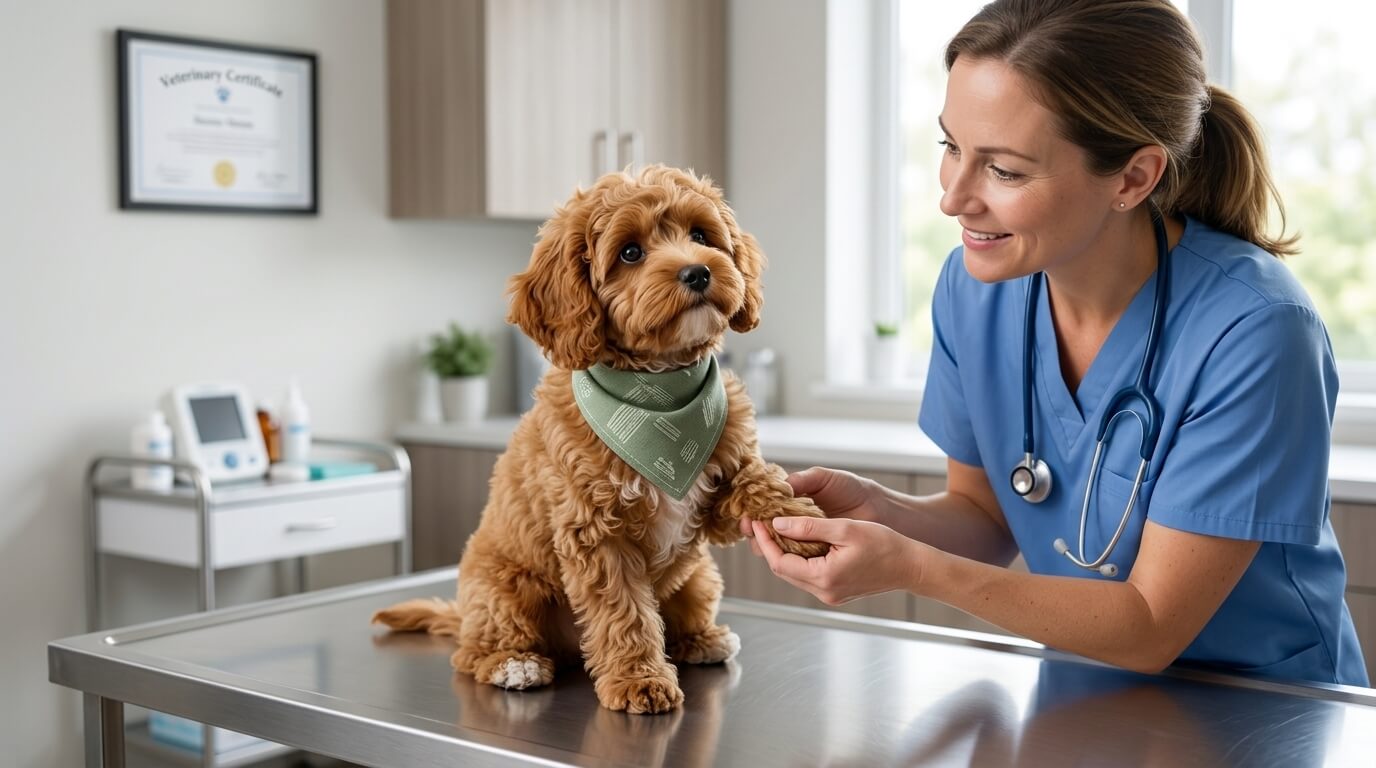
Indoor dog vet visits still matter, even if your dog spends most of the day on the sofa, uses an elevator instead of a yard, and only meets a few dogs in the building. Apartment life lowers some risks, but it does not remove health needs.
The biggest mistake is thinking “indoor” means “protected.” Indoor dogs can still gain weight, develop dental disease, pick up parasites, become anxious, miss early pain signs, or need vaccines based on local law and lifestyle. They may also hide problems well because their daily routine is predictable and their world is small.
This guide explains what routine vet care should cover for apartment dogs, what to ask at a wellness visit, how to prepare if your dog hates the clinic, and when an indoor dog needs care sooner than the usual schedule. It is general education, not a substitute for your veterinarian’s advice.
Indoor Dog Vet Visits: Quick Answer
Indoor dogs still need regular veterinary visits. Many adult dogs benefit from at least an annual wellness exam, while puppies, seniors, dogs with chronic conditions, and dogs with new symptoms may need more frequent care. At each visit, ask about vaccines, parasite prevention, dental health, weight, mobility, behavior, and apartment-specific risks such as elevators, shared spaces, limited exercise, and stress.
| Indoor Dog Myth | Reality | What to Ask the Vet |
|---|---|---|
| My dog never goes to dog parks | Shared sidewalks and elevators still create exposure | Which vaccines fit our lifestyle? |
| My dog stays clean indoors | Dental disease and weight gain can be quiet | How are teeth and body condition? |
| We live high up | Fleas, ticks, mosquitoes, and parasites can still matter | What prevention is needed locally? |
| My dog seems fine | Dogs often hide pain or illness | What early signs should I watch? |
| Vet visits are too stressful | Stress can be managed with planning | Can we use fear-reducing handling? |
What Shots Does My Dog Need for an Apartment?
Apartment dogs still need the core vaccines recommended for dogs generally. Current AAHA guidance includes distemper, adenovirus, parvovirus, leptospirosis, and rabies among core vaccines. Other vaccines, such as Bordetella, canine influenza, or Lyme, may be recommended based on your dog’s location, lifestyle, and exposure through shared dog areas, grooming, daycare, boarding, travel, and contact with other dogs. Rabies requirements vary by state and locality, and buildings or pet-care facilities may set separate record requirements. Ask your veterinarian which vaccines and schedule are appropriate for your dog.
Table of Contents
What Preventive Vet Care Actually Does
Preventive care is easy to underestimate because it does not always feel urgent. Your dog looks fine, eats dinner, sleeps on the sofa, and takes the same hallway route every day. But a wellness visit is not only for emergencies. It is where your veterinarian compares today’s dog with the dog from last year: weight, teeth, joints, skin, ears, heart, lungs, behavior, and risk exposure.
AAHA and AVMA preventive-care guidance emphasizes regular checkups because dogs can hide pain and disease. That is especially relevant for apartment dogs. A dog who walks only short routes may hide stiffness. A dog who eats soft food may hide dental pain. A dog who sleeps more may seem “calm” when they are actually uncomfortable, overweight, anxious, or aging.
| Vet Visit Finds | Apartment Clue at Home | Why It Matters |
|---|---|---|
| Weight or body condition change | Harness feels tighter, less stamina on walks | Small gains matter more in small dogs |
| Dental pain or tartar | Bad breath, dropping food, avoiding chews | Mouth pain can look like picky eating or moodiness |
| Joint pain or nail overgrowth | Slipping on floors, avoiding stairs or sofa jumps | Mobility issues can change behavior and potty habits |
| Skin, ear, or allergy problems | Paw licking, head shaking, rubbing on rugs | Indoor irritants and outdoor surfaces both matter |
| Behavior or anxiety concern | Barking, hiding, accidents, reactivity, sleep changes | Training plans work better when pain and illness are ruled out |
Why Indoor Dogs Still Need Veterinary Care
Apartment dogs can seem easier to monitor because they live close to us. You notice their food bowl, their bed, their barking, their potty schedule, and their movement across the room. But closeness can also make slow changes look normal. A dog who gains two pounds in a small apartment may not look dramatically different until the vet checks body condition. A dog who avoids jumping onto the sofa may be aging, painful, or overweight, not simply becoming calm.
Routine exams give your veterinarian a baseline. Weight, teeth, heart, lungs, joints, skin, ears, eyes, behavior, and preventive care all create a picture of what is normal for your dog. When something changes later, that baseline helps.
Indoor life also creates its own risks. Many apartment dogs get less varied exercise, fewer sniffing opportunities, more hallway stress, more elevator encounters, and more noise exposure. These are not reasons to panic. They are reasons to treat vet care as part of apartment dog maintenance, like leash training, potty planning, and enrichment.
Indoor Does Not Mean No Exposure
Indoor dogs still touch the outside world. They walk through shared lobbies, sniff grass strips, pass dogs in elevators, visit groomers, ride in cars, wait in veterinary clinics, and may meet pets whose vaccine or parasite-prevention history you do not know. Some risks are regional. Some are lifestyle-based. Some, like rabies laws, are legal as well as medical.
AAHA canine vaccination guidance separates core vaccines from lifestyle-based vaccines. That is a helpful way to talk with your veterinarian. Do not simply say, “My dog is indoor.” Say, “We live in a high-rise, use shared grass, meet elevator dogs, visit a groomer every six weeks, and board twice a year.” That gives your vet something real to work with.
For parasite prevention, the same logic applies. Mosquitoes do not care that your dog lives on the tenth floor. Fleas and ticks can arrive through outdoor walks, other pets, travel, or building environments. Heartworm risk is regional and serious enough that prevention should be a veterinarian-led decision, not a guess based on apartment height.
The 7 Essential Checks for Indoor Dog Vet Visits
1. Core, Risk-Based, and Facility Vaccine Requirements
Indoor dogs may still need core vaccines and any legally required vaccines, such as rabies depending on location. Your veterinarian can also advise whether lifestyle-based vaccines make sense for your dog’s exposure level. A dog who uses shared sidewalks, grooming services, boarding, daycare, elevators, or dog-friendly buildings may have different needs from a dog who rarely leaves a quiet home.
A building, groomer, daycare, or boarding facility may require vaccination records or specific vaccines for access, but those policies are separate from your veterinarian’s medical recommendations.
Do not decide vaccine needs based only on whether your dog has a yard. Bring a realistic lifestyle description: where your dog walks, whether they meet other dogs, whether you travel, whether you board them, and whether they visit groomers or training classes.
2. Parasite Prevention
Indoor dogs can still be exposed to fleas, ticks, mosquitoes, intestinal parasites, and heartworm risk depending on region and lifestyle. Apartment buildings do not form a medical shield. Dogs still walk outside, share grass strips, pass other pets, and may encounter pests in common areas.
Ask your veterinarian which prevention is appropriate for your area. The answer may depend on climate, local disease risk, travel, building conditions, and your dog’s health history. Do not stop prevention simply because your dog lives indoors without asking first.
3. Dental Health
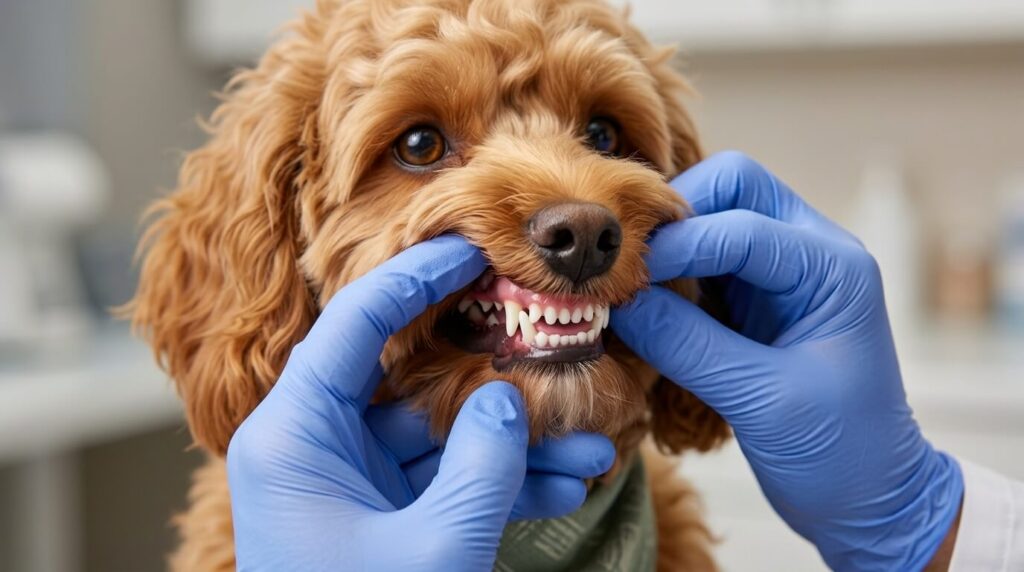
Dental disease is one of the easiest problems for owners to miss. Bad breath, tartar, red gums, chewing on one side, dropping food, or resisting mouth handling can all matter. Small dogs and toy breeds, which are common in apartments, may be especially prone to dental crowding and buildup.
At a vet visit, ask what your dog’s mouth looks like now and what home care is realistic. Brushing may be ideal for many dogs, but some owners need a gradual training plan. Dental chews or diets should be discussed with your veterinarian, especially if your dog has allergies, weight concerns, or chewing risks.
4. Weight and Body Condition
Apartment dogs often gain weight slowly. Short walks, fewer stairs, long workdays, treat-heavy training, and food puzzles that add calories can all contribute. A dog can be loved, walked, and still overweight.
Ask your veterinarian for a body condition score and a target weight range. This is more useful than guessing from appearance. If your dog needs help, pair vet guidance with the best diet for apartment dogs guide and the is my dog overweight article.
5. Skin, Ears, and Indoor Allergens
Indoor dogs can still have itchy skin, ear problems, paw irritation, or allergies. Apartment life may add dust, dry air, cleaning product exposure, carpet residue, shared hallway irritants, and limited fresh-air variation. Dogs may lick paws after walks through treated sidewalks, elevator floors, or building entrances.
Ask about recurring itch, ear smell, paw licking, hot spots, dandruff, or coat changes. Bring photos if symptoms happen at home but fade before the appointment. A short video of scratching, head shaking, or licking can be useful too.
6. Mobility and Pain
Small apartments can hide mobility issues because dogs do not need to travel far indoors. You may notice subtle changes only when your dog hesitates at stairs, avoids jumping, moves stiffly after naps, or struggles on slippery floors.
Tell your vet about elevator fear, stair reluctance, slipping, nail clicking, changes in play, or trouble getting comfortable. Pain can affect behavior, sleep, potty habits, and tolerance around other dogs. For senior dogs, mobility checks become even more important.
7. Behavior and Stress
Behavior is health information. Barking, separation distress, hiding, reactivity, accidents, compulsive licking, appetite changes, and sudden aggression can have medical, emotional, or environmental causes. Apartment owners sometimes treat behavior as a neighbor problem first and a health problem second. It should be both.
If your dog is struggling with alone time, use the dog separation anxiety apartments guide and tell your veterinarian what you see. If barking is the problem, bring notes from the apartment barking guide. A vet cannot see apartment behavior in a ten-minute exam unless you describe it clearly.
How Often Should an Indoor Dog See the Vet?
There is no one schedule for every dog. Many healthy adult dogs have at least yearly wellness visits, but your veterinarian may recommend more frequent visits based on age, medications, chronic disease, dental needs, weight, behavior, parasite risk, or local requirements.
| Dog Type | Typical Vet Care Need | Why It May Be More Frequent |
|---|---|---|
| Puppy | Multiple early visits | Vaccines, growth, parasites, training questions |
| Healthy adult | Often annual wellness exams | Dental, weight, vaccines, prevention updates |
| Senior dog | Often more frequent monitoring | Pain, mobility, organ health, cognitive changes |
| Chronic condition | Vet-directed schedule | Medication checks, lab work, symptom tracking |
| New rescue | Early baseline visit | Unknown history, parasites, vaccines, behavior |
The safest answer is simple: ask your veterinarian what schedule fits your dog specifically. Bring your dog’s age, medical history, lifestyle, building environment, and travel plans into that conversation.
The 10-Minute Pre-Visit Apartment Audit
Before the appointment, walk through your apartment and look at your dog like a quiet detective. You are not diagnosing. You are gathering the daily details your veterinarian cannot see from the exam room.
- Watch your dog stand up from a nap. Is there stiffness, slipping, or hesitation?
- Check the food bowl and water bowl. Has anything changed?
- Look at favorite resting spots. Is your dog avoiding the sofa, bed, crate, or rug?
- Listen during a normal walk to the elevator or lobby. Is breathing, coughing, or stress different?
- Notice bathroom patterns. More trips, accidents, constipation, diarrhea, or urgency should be written down.
- Smell and observe gently: breath, ears, skin, paws, and bedding odors can all be clues.
Put the notes in your phone. A short list is better than trying to remember everything while your dog is nervous at the clinic.
Apartment-Specific Vet Questions to Ask
A good vet visit is easier when you arrive with apartment-specific questions. These are not dramatic questions; they are the practical ones that make care fit real life.
- Which vaccines are core, legally required, or lifestyle-based for my dog?
- What parasite prevention makes sense in our area and building situation?
- Is my dog’s weight healthy for their breed, age, and activity level?
- Do the teeth need home care, professional cleaning, or monitoring?
- Are the nails short enough for apartment floors?
- Could barking, accidents, or restlessness have a medical component?
- Is my dog’s exercise plan appropriate for their joints and age?
- What symptoms should make me call before the next routine visit?
Write down answers in your phone. Vet visits can feel rushed, especially if your dog is stressed. A short note helps you follow through later.
Symptoms to Sort Before You Call
If you are unsure whether a change matters, sort it by speed and severity. Fast changes, painful changes, repeated changes, and changes involving breathing, collapse, blood, severe lethargy, or inability to urinate deserve prompt veterinary attention. Slow changes should still be written down because they often show trends.
| Change | Apartment Example | How to Describe It |
|---|---|---|
| Potty change | Reliable dog suddenly pees by the door | How often, how much, any straining, any blood |
| Mobility change | Dog stops jumping onto the sofa | When it started, which movements are harder |
| Behavior change | New barking, hiding, snapping, or clinginess | What triggers it and whether pain signs appear |
| Appetite change | Eats soft food but drops kibble | Food type, chewing pattern, breath, drooling |
| Skin or ear change | Paw licking after hallway or sidewalk walks | Location, timing, redness, odor, scratching |
Signs Your Indoor Dog Needs a Vet Sooner
Do not wait for the next routine visit if something significant changes. Call your veterinarian if you notice:
- Repeated vomiting or diarrhea.
- Blood in urine or stool.
- Sudden indoor accidents from a trained dog.
- Straining to urinate or defecate.
- Not eating, extreme thirst, or sudden weight change.
- Coughing, trouble breathing, collapse, or severe lethargy.
- New aggression, confusion, panic, or behavior change.
- Limping, stiffness, yelping, or reluctance to move.
- Ear odor, head shaking, intense scratching, or skin wounds.
If your dog has sudden potty changes, pair veterinary guidance with the dog potty training regression guide after health concerns are addressed. Medical issues should be ruled out before you treat sudden accidents as training failure.
How to Prepare for a Vet Visit in an Apartment
Preparation starts before the appointment. Many apartment dogs must pass elevators, lobbies, parking garages, other dogs, street noise, and car rides before they even reach the clinic. By the time the exam begins, they may already be stressed.
Before the Appointment
- Write down symptoms, dates, appetite, stool changes, and behavior changes.
- Take photos or videos of symptoms that happen at home.
- Bring medication names, supplements, food details, and treat amounts.
- Ask whether a stool sample or urine sample is helpful.
- Practice short carrier or car sessions if your dog is nervous.
In the Building
Give yourself extra time. A rushed elevator ride with barking dogs can start the appointment badly. If your dog is reactive, wait in a quieter area, use distance, or ask the clinic whether you can wait in the car or outside until the room is ready.
After the Appointment
Do not expect your dog to act normal immediately. Some dogs sleep, pace, or act clingy after a stressful appointment. Keep the evening simple. Offer water, a calm potty break, and rest. Follow the vet’s instructions for medication, diet, activity, or monitoring.
Indoor Dog Health Tracking at Home
Home tracking makes indoor dog vet visits more useful. You do not need a complicated journal. A few notes can help your veterinarian spot patterns.
| Track This | What to Notice | Why It Helps |
|---|---|---|
| Weight | Slow gain or loss | Shows diet and health trends |
| Water intake | Drinking more or less | Can flag medical changes |
| Potty habits | Frequency, accidents, stool quality | Supports urinary and digestive history |
| Behavior | Barking, hiding, reactivity, sleep changes | Connects stress and health |
| Movement | Stairs, jumping, slipping, stiffness | Helps catch pain early |
For food and weight questions, use the apartment dog diet page as a planning support, then confirm the plan with your veterinarian. Online guidance should help you ask better questions, not replace medical advice.
Vet Visit Priorities by Life Stage
Indoor dog vet visits should change as your dog changes. A puppy, an adult dog, and a senior dog may all live in the same apartment building, but their medical priorities are not the same.
Puppies in Apartments
Puppies need early veterinary guidance because their vaccine schedule, parasite checks, growth, teething, nutrition, and potty needs are still developing. Apartment puppies also need careful socialization planning because they may meet elevators, lobby floors, delivery carts, traffic noise, and many strangers before they are emotionally mature.
Ask your veterinarian how to balance disease prevention with safe exposure to the world. Also ask about potty frequency, crate timing, chewing, and what symptoms are urgent in a young puppy. Puppy problems can move quickly, so it is better to ask early than to guess.
Adult Indoor Dogs
Adult dogs often seem stable, which is why owners skip checkups. This is the stage where dental disease, weight creep, skin issues, mild pain, and behavior changes can quietly build. A wellness visit helps compare this year’s dog to last year’s dog.
For adult apartment dogs, ask about body condition, exercise needs, dental care, parasite prevention, and whether your dog’s behavior at home suggests stress or pain. If your dog has become less playful, more reactive, or less tolerant of handling, mention it.
Senior Apartment Dogs
Senior dogs often need closer monitoring. Small apartment changes can reveal big health clues: sleeping more, slipping on floors, missing the sofa jump, waking at night, seeming confused near doors, drinking more, or having accidents indoors.
Ask your veterinarian what senior screening makes sense, how to manage mobility, whether weight loss or gain is concerning, and what changes should trigger a call. Senior care is not only about treating illness. It is also about comfort, pain control, and preserving daily quality of life.
Make the Trip Less Stressful Before You Leave Home
For many apartment dogs, the hard part of a vet visit starts before the clinic. The hallway is loud, the elevator is crowded, the lobby has another dog, and the car or carrier feels unusual. By the time the exam begins, the dog is already over threshold. A calmer route can make the veterinary team more effective and your dog easier to examine.
If your dog is nervous, call the clinic before the appointment. Ask whether you can wait outside, avoid the busiest hours, use a side entrance, bring high-value treats, or note handling sensitivities on the chart. If your dog has previously growled, snapped, panicked, or vomited from stress or motion sickness, say that before you arrive. It helps the clinic prepare rather than react.
Practice small pieces on non-appointment days: walking calmly to the elevator, stepping into the carrier, sitting in the parked car, or touching paws and ears for one second followed by a reward. These tiny rehearsals are not silly. They make medical care easier when your dog actually needs it.
Low-Stress Vet Visit Plan for Apartment Dogs
Some indoor dogs rarely leave the building except for potty walks, so a vet visit can feel huge: elevator, lobby, car, clinic smells, strangers, exam table, and handling. If your dog is nervous, do not wait until the appointment day to solve it.
| Stress Point | What You Can Do | Why It Helps |
|---|---|---|
| Carrier fear | Leave carrier out with treats before the visit | Reduces surprise confinement |
| Elevator stress | Leave early and avoid peak dog traffic | Starts the trip calmer |
| Waiting room anxiety | Ask about waiting outside or in the car | Limits crowding and barking triggers |
| Handling sensitivity | Tell the clinic before the exam begins | Helps staff adjust pace and approach |
| Post-visit stress | Plan a quiet evening | Allows decompression |
If your dog has a history of panic, biting attempts, severe motion sickness, or extreme fear, call the clinic before the appointment. Many clinics can suggest timing, handling notes, or pre-visit options. Do not surprise the team with a highly stressed dog at the front desk if you can prepare together.
Apartment Symptoms Owners Often Minimize
Because apartment dogs are always nearby, some changes blend into daily life. These are the small clues worth tracking before your next indoor dog vet visits.
- More licking: Paws, joints, belly, or air licking can signal irritation, pain, nausea, or stress.
- Less jumping: Avoiding the couch or bed can point to pain, weakness, or fear of slipping.
- New barking: Sudden reactivity may be stress, hearing changes, pain, or environmental triggers.
- Changed sleep: Restlessness at night can connect to discomfort, anxiety, age, or potty needs.
- Different appetite: Eating less, begging more, or dropping food can matter.
- Potty changes: More frequent urination, accidents, constipation, or diarrhea should be noted.
- Odor changes: Bad breath, ear odor, skin smell, or urine odor can be health clues.
Bring patterns, not just impressions. “He seems weird” is less useful than “he has avoided jumping onto the sofa for three weeks and licks his right front paw every night.”
How to Connect Vet Care With Daily Apartment Routines
Vet care works best when it connects to what you actually do every day. If your veterinarian recommends weight loss, ask how that fits treat-based training and food puzzles. If they recommend more exercise, ask what level is safe for your dog’s age and joints. If they recommend dental care, ask how to introduce mouth handling without creating a fight.
Apartment owners often need practical versions of medical advice. “More exercise” might mean three shorter sniff walks instead of one intense session. “Reduce treats” might mean using part of breakfast for training. “Monitor mobility” might mean watching the elevator, sofa, bed, and slippery hallway turns.
This is where your daily apartment routines matter. Exercise questions can connect to how to exercise a dog in a small apartment. Bedtime restlessness can connect to how to tire out a dog before bed. Use those routines to follow your veterinarian’s advice more consistently, not to replace medical care.
How This Visit Supports Your Other Health Routines
A good wellness exam should make the rest of home care more specific. If your vet says your dog’s teeth need attention, use dog dental care at home to build a gentle brushing and product-check routine. If your dog is gaining weight, use is my dog overweight and best diet for apartment dogs as planning support, then confirm the calorie and treat plan with your veterinarian.
If your dog suddenly has accidents, vet care comes before blaming training. Use adult dog potty training regression after medical causes have been considered. If behavior is changing, tell your vet what is different at home before deciding it is only a training issue.

Common Mistakes Indoor Dog Owners Make
Mistake 1: Skipping Visits Because the Dog Looks Fine
Dogs can look fine while dental disease, weight gain, pain, or early illness develops quietly. Routine exams are partly about finding problems before they become obvious.
Mistake 2: Treating Behavior as Only Training
Training matters, but sudden behavior changes can have health causes. Pain, itch, digestive discomfort, urinary issues, hearing changes, and anxiety can all affect apartment behavior.
Mistake 3: Forgetting Shared Building Exposure
Indoor dogs still use sidewalks, elevators, lobbies, groomers, boarding facilities, and vet clinics. Their risk profile is not zero.
Mistake 4: Waiting Until the Dog Hates the Vet
If your dog is nervous, ask about low-stress handling, quiet waiting options, happy visits, pre-visit planning, or medication when appropriate. Do this before vet care becomes a battle.
Mistake 5: Not Bringing Real-Life Details
Your veterinarian needs context. “My dog is indoor only” is less useful than “we live in a high-rise, use shared grass, meet dogs in elevators, and board twice a year.”
FAQ
Do indoor dogs need annual vet visits?
Many indoor adult dogs benefit from annual wellness visits, but the right schedule depends on age, health, vaccines, parasite risk, dental needs, and symptoms. Ask your veterinarian what timing fits your dog.
Do indoor dogs need vaccines?
Indoor dogs may still need core and legally required vaccines. Some dogs also need lifestyle-based vaccines depending on exposure to other dogs, boarding, grooming, travel, or local disease risk.
Do indoor dogs need flea, tick, or heartworm prevention?
Often yes, depending on region and lifestyle. Dogs still go outside, encounter mosquitoes, pass other pets, and use shared spaces. Ask your veterinarian which prevention is appropriate locally.
What should I bring to an indoor dog vet visit?
Bring notes about food, treats, medications, supplements, potty habits, behavior changes, weight changes, exercise, and apartment exposures. Photos or videos can help when symptoms happen only at home.
Can stress from apartment life affect my dog’s health?
Yes. Noise, isolation, hallway triggers, limited exercise, and crowded building spaces can affect behavior and wellbeing. Your veterinarian can help you decide whether stress, pain, or illness may be involved.
When should I call the vet before the next routine visit?
Call sooner for sudden accidents, blood, repeated vomiting or diarrhea, appetite loss, breathing trouble, collapse, severe lethargy, pain, limping, major behavior change, or any symptom that worries you.
Next Step
Before your next indoor dog vet visit, make a one-page note: your dog’s food, treats, exercise, potty habits, behavior concerns, building exposure, and questions. That small preparation turns a routine exam into a much better health conversation.
Indoor dogs are not risk-free dogs. They are dogs with a different lifestyle. Good veterinary care helps you protect their teeth, weight, mobility, behavior, vaccines, and parasite prevention before small apartment problems become bigger health problems.