
Dog looking out window behavior can be completely normal. Many dogs enjoy watching people, birds, cars, leaves, and other dogs pass by. For an apartment dog, a window can be a source of light, scent, sound, and visual enrichment.
But window watching can also become a problem. Some dogs move from calm observation into barking, lunging, pacing, whining, trembling, scratching, or obsessive scanning. The same window that gives one dog peaceful enrichment can make another dog more reactive or anxious.
This guide helps you tell the difference. It focuses on window watching itself: why dogs do it, when it is healthy, when it is too much, and how to make windows safer in apartments. If your main problem is barking at people outside, use the dog barking at window passersby guide for the training plan.
Dog Looking Out Window Behavior: Quick Answer
Dog looking out window behavior is usually normal when the dog watches calmly, can disengage, rests afterward, and does not bark or lunge repeatedly. It becomes a concern when the dog cannot leave the window, reacts strongly to every movement, shows stress signs, guards the window, or becomes more reactive indoors. Make window time safer by securing the window, limiting access during high-trigger times, adding better daily enrichment, and teaching a calm away-from-window routine.
| Window Behavior | Likely Meaning | First Response |
|---|---|---|
| Quiet watching, relaxed body | Normal enrichment | Allow supervised access |
| Staring and stiffening | Building arousal | Redirect earlier |
| Barking at passersby | Window reactivity | Block view and train |
| Pacing between windows | Stress or hypervigilance | Reduce access and add calming routine |
| Cannot settle after watching | Too much stimulation | Shorten window sessions |

Table of Contents
Why Dogs Like Looking Out Windows
Windows give dogs information. A dog may watch movement, listen to sounds, smell air through a cracked window screen, track neighborhood routines, or simply enjoy sitting in sunlight. For dogs in apartments, the window may be one of the few places where the world changes during the day.
Some owners call this “dog TV,” and for calm dogs that is a fair description. The dog watches, maybe lifts their head when someone passes, then goes back to resting. That kind of observation can be harmless and even pleasant.
The problem starts when the window becomes the dog’s job. If your dog spends the day scanning for threats, exploding at movement, or waiting for something to bark at, the window is no longer gentle enrichment. It has become a trigger station.
The 5 Safety Signs to Watch
1. Can Your Dog Disengage?
A healthy window watcher can look away. If you say their name, open the treat pouch, move to another room, or start a familiar routine, they can leave the window without a battle.
A dog who cannot disengage may be over threshold. They may stare through you, ignore food, freeze, or return to the window immediately after being moved away. That is a sign to reduce access and train a calmer pattern.
2. Is the Body Loose or Stiff?
Loose body language usually means the dog is observing. Soft eyes, relaxed mouth, normal breathing, and shifting positions are good signs. Stiff posture, closed mouth, hard staring, raised hackles, tucked tail, or a forward lean means arousal is rising.
Do not wait for barking if the body is already stiff. Redirect earlier, before the behavior becomes harder to interrupt.
3. Does Window Time Lead to Barking?
If window watching often turns into barking, growling, whining, or lunging, the window is feeding reactivity. The issue is not simply that your dog enjoys the view. The view is creating a behavior loop.
In that case, use management: privacy film, curtains, furniture changes, gates, and shorter supervised sessions. Then train calm noticing from farther away.
4. Can Your Dog Rest Afterward?
Some dogs watch calmly for a few minutes and then nap. Others watch and become more wired. They pace, demand attention, bark at small sounds, or keep returning to the glass.
If window time makes the rest of the day worse, shorten it. Enrichment should help a dog regulate, not leave them buzzing for hours.
5. Is the Window Physically Safe?
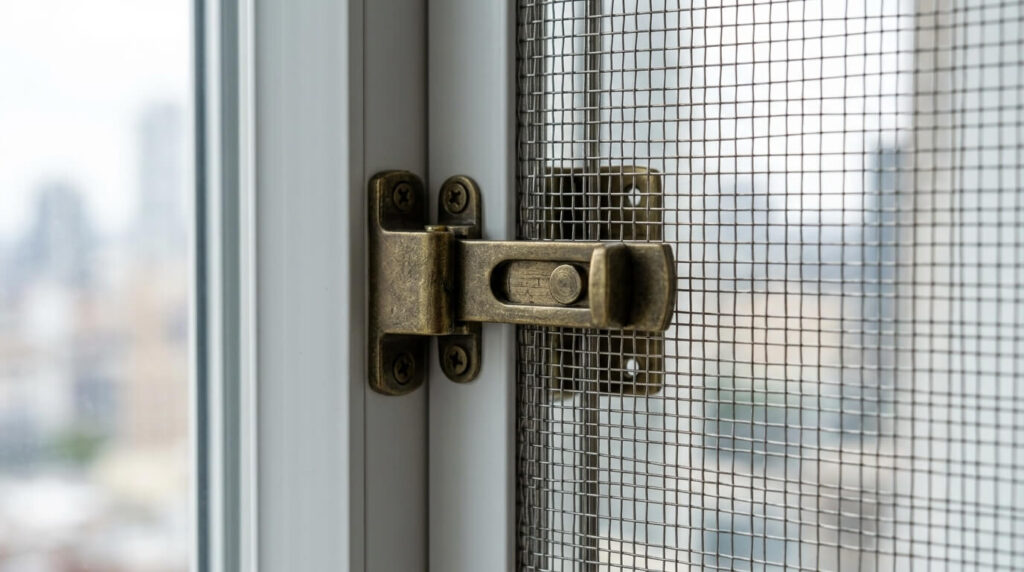
Behavior is not the only concern. Apartment windows, balconies, screens, blinds, cords, and high ledges can create physical risks. A dog should not be able to push through a screen, chew blind cords, climb unstable furniture, or lean toward an open window.
If you live above the ground floor, treat window safety seriously. Screens are not dog barriers. Do not rely on them to hold back a curious or excited dog.
Normal Window Watching vs. Over-Fixation
| Normal Watching | Concerning Watching |
|---|---|
| Dog changes position and rests | Dog freezes or stares intensely |
| Can respond to name | Ignores familiar cues and food |
| Short sessions | Returns again and again |
| No repeated barking | Barks, lunges, scratches, or growls |
| Settles afterward | Stays restless after watching |
The goal is not to ban windows for every dog. The goal is to notice what window time does to your dog. If it creates calm curiosity, it may be fine. If it creates reactivity, it needs structure.
Apartment Window Safety Setup
Before you think about behavior training, make the window physically safe.
- Keep windows closed or securely limited when your dog is nearby.
- Do not trust screens as safety barriers.
- Move unstable furniture away from high windows.
- Secure blind cords and curtain ties.
- Use rugs or mats if your dog jumps down from a window perch.
- Avoid balcony access unless you can supervise safely.
- Keep plant stands, lamps, and cords out of the window path.
If your dog uses furniture to reach the window, check the landing area. Repeated jumping on hard floors can be hard on joints, especially for small, long-backed, senior, or overweight dogs.
How to Make Window Time Healthier
Use Short Sessions
Instead of all-day access, offer supervised window time for a few minutes. End before your dog escalates. This turns the window into a controlled activity rather than a full-time job.
Create a Rest Zone Away From the Window
Your dog’s main bed should not always be at the most triggering window. Give them a comfortable resting place where they can sleep without monitoring the outside world.
Reward Looking Away
When your dog glances at the window and then looks back at you, reward that choice. You are teaching that disengaging from the view is valuable.
Use Visual Management
Privacy film, curtains, blinds, or furniture placement can reduce the intensity of triggers. You can block the lower half of the window while still keeping light in the apartment.
Add Better Enrichment Elsewhere
If the window is the only interesting part of your dog’s day, it will become too important. Add sniff walks, food puzzles, chewing, training, and play. The keep dog entertained while at work guide can help with daytime routines.
When Window Watching Turns Into Barking
If your dog barks at people, dogs, or cars outside, treat it as window reactivity rather than simple watching. The more your dog practices barking at passing triggers, the stronger the habit can become.
Start with management. Block the view during busy times, move furniture away from the window, and train calm noticing from a distance. The full training plan belongs in the dog barking at window passersby guide.
Do not yell at the window. Yelling may add stress or make your dog think you are joining the alarm. Quiet management and reward-based training are usually more useful.
Window Watching and Boredom
Some dogs stare out the window because they are bored. The window offers movement when the rest of the apartment is predictable. That does not mean the dog needs constant entertainment, but it may mean their day needs more variety.
Signs that boredom is part of the pattern include window watching after long alone periods, chewing, attention-seeking, restlessness, and sudden excitement when small things happen outside.
For the broader boredom pattern, use signs your apartment dog is bored. Window watching may be one clue inside a larger routine problem.
Window Watching and Anxiety
Some dogs watch windows because they are hypervigilant. They are not relaxing; they are monitoring. These dogs may startle at small sounds, pace between rooms, bark at distant movement, or struggle to settle even after the blinds are closed.
If anxiety may be involved, reduce window access and build predictable rest routines. If your dog also panics when alone, scratches doors, howls, or cannot eat when you leave, read the dog separation anxiety apartments guide and consider professional help.
Window Watching by Apartment Type
Ground-Floor Apartment
Ground-floor windows create close triggers. People, dogs, strollers, and delivery workers may pass only feet away. Use privacy film on lower glass and keep your dog’s main bed away from the busiest window.
High-Rise Apartment
High-rise windows may be less about close passersby and more about movement, reflections, birds, balconies, and distant sound. Physical safety matters more because of height. Keep windows secure and avoid risky perches.
Courtyard Apartment
Courtyards can create repeated triggers: the same dogs, neighbors, kids, and maintenance workers passing throughout the day. Use scheduled window access rather than constant access.
Home Office Window
If your dog lies beside your work desk and watches all day, they may become more alert with every passing hour. Place a bed away from the window and use calm enrichment during work blocks.
Window Watching by Dog Type
The Calm Observer
A calm observer watches quietly, changes position, and leaves when something else happens. This dog may do fine with short supervised window time. Still, make sure the physical setup is safe and the dog is not using unstable furniture to reach the view.
The Bored Watcher
A bored watcher returns to the window because nothing else is happening. They may not seem anxious, but they become more excited when movement appears. This dog usually needs more sniffing, training, chewing, and predictable daily activity.
The Reactive Scanner
A reactive scanner is waiting for something to happen. They may stiffen before barking, rush from window to window, or become hard to interrupt. This dog needs less visual access and more structured calm-noticing practice.
The Anxious Monitor
An anxious monitor watches because they are worried, not entertained. They may pace, startle, pant, whine, or seem unable to rest. For this dog, window reduction is only one piece. You may also need a broader anxiety or alone-time plan.
The Prey-Interested Dog
Some dogs fixate on birds, squirrels, cats, or fast movement. They may crouch, tremble, whine, or suddenly leap toward the glass. For these dogs, physical safety is especially important. Do not allow risky perches or open-window access.
A Better Window Schedule
For dogs who enjoy windows but get too intense, a schedule works better than unlimited access. Try giving window time after a walk, after training, or when the environment is quiet.
| Time | Window Plan | Why It Helps |
|---|---|---|
| Morning rush | Mostly blocked view | Reduces high-trigger rehearsals |
| After walk | Short calm session | Dog is more settled |
| Work hours | Rest zone away from window | Prevents all-day scanning |
| Evening dog-walk traffic | Partial blocking or curtains | Reduces reactive triggers |
| Before bed | No intense watching | Supports sleep and calm |
Adjust this to your building. A courtyard apartment may be busy at different times than a street-facing unit. The right schedule is the one that keeps your dog calmer afterward.
Night Reflections and Shadow Triggers
Some dogs react more at night because glass changes. Reflections appear, lights move, and sounds become harder to locate. Your dog may not understand whether the movement is outside, inside, or behind them.
If nighttime window watching leads to barking or staring, close curtains before dark. Do not wait for the first reaction. A dog who struggles with reflections may need nighttime windows treated differently from daytime windows.
Balcony and Open-Window Caution
Balconies and open windows add risk. A dog who calmly watches through closed glass may become much more excited when air, sound, or birds are closer. Do not assume your dog will make safe choices near height, railings, screens, or narrow balcony furniture.
Use supervision, barriers, and common sense. If your dog jumps, climbs, chases birds, reacts to dogs below, or squeezes through gaps, balcony viewing is not a safe enrichment plan. Choose indoor enrichment instead.
Multi-Pet Window Problems
One calm dog can become reactive when another pet rushes the window. Dogs can feed off each other’s arousal, and cats can also draw dogs toward ledges or blinds.
If you have more than one pet, watch who starts the reaction. You may need separate resting zones, staggered window access, or blocked views during busy times. Do not let one pet’s window habit teach the other pet to bark, chase, or guard the space.
How to Teach a Window Break Cue
A window break cue tells your dog that window time is over and something good happens away from the glass. Teach it when the window is quiet, not during a barking episode.
- Say a cue such as “all done.”
- Toss a treat away from the window.
- Reward your dog for moving to you.
- Offer a simple follow-up job, such as a mat or chew.
- Practice before your dog becomes intense.
The cue should feel like an invitation, not a punishment. If your dog only hears it after they bark, the cue may become part of the conflict. Use it during calm moments first.
Progress Signs
As window behavior improves, you may notice small changes before the problem disappears completely.
- Your dog watches for shorter periods.
- Your dog responds to their name near the window.
- Your dog can leave the window for a treat or cue.
- Barking starts less often.
- Your dog rests better after window time.
- Your dog chooses the bed or mat without being forced.
- Busy outdoor times become easier to manage.
These changes mean your dog is learning that the window is not their full-time responsibility.
When to Reopen the View
If you have blocked the window because your dog was too intense, reopen the view slowly. Start during quiet times, for short sessions, and only when your dog has already had a walk, potty break, or calm activity.
Open part of the view, not everything at once. If your dog can watch calmly and leave when cued, continue. If barking, stiff staring, or pacing returns, close the view again and use a shorter session next time. Window access should be earned by calm behavior, not given back all at once because a few days went well.
7-Day Window Behavior Check
Use this quick check to understand whether window watching is helping or hurting your dog.
| Day | What to Track | What It Tells You |
|---|---|---|
| Day 1 | How long your dog watches | Normal interest or fixation |
| Day 2 | Body language | Relaxed or tense |
| Day 3 | Response to name | Can disengage or not |
| Day 4 | What triggers barking | People, dogs, cars, sounds |
| Day 5 | Recovery time | Can settle afterward |
| Day 6 | Effect of blocking view | Visual trigger or general stress |
| Day 7 | Effect of added enrichment | Boredom link |
What Not to Do
Do Not Leave a Reactive Dog at the Window All Day
Repeated rehearsal can make barking and scanning stronger. Manage access before the habit grows.
Do Not Assume Window Watching Is Always Enrichment
For some dogs it is enrichment. For others it is stress. Watch your dog’s body and recovery.
Do Not Use the Window as a Babysitter
If your dog needs activity, use sniffing, training, safe chewing, and walks. The window should not be the only source of stimulation.
Do Not Ignore Physical Safety
Secure windows, cords, furniture, and balcony access. Behavior improvement does not matter if the setup is physically unsafe.
When to Get Help
Talk with a veterinarian, qualified trainer, or behavior professional if your dog cannot leave the window, reacts aggressively, injures themselves, redirects onto people or pets, shows panic signs, or has sudden behavior changes.
Also get help if window watching is part of a bigger pattern: separation distress, compulsive pacing, repeated barking complaints, or inability to rest in the apartment.
Related Window and Barking Guides
If the issue is barking at people outside, use the window barking guide. If the issue is general apartment barking, use the main barking guide. If the issue is calm watching that sometimes becomes too intense, stay with this page and adjust window access first.
FAQ
Why does my dog stare out the window all day?
Your dog may enjoy visual enrichment, feel bored, monitor movement, respond to sounds, or become hypervigilant. Look at body language and whether your dog can disengage.
Is dog looking out window behavior normal?
Yes, it can be normal when the dog is relaxed, quiet, and able to walk away. It becomes a concern when the dog is tense, reactive, obsessive, or unable to settle.
Should I block my dog’s view out the window?
Block or limit the view if window time causes barking, lunging, stress, or fixation. You can use partial visual blocking while still allowing light into the apartment.
Can looking out the window make barking worse?
Yes. If your dog barks at passersby and the trigger leaves, barking can become self-reinforcing. Manage the view and train calm noticing.
Is it safe for a dog to sit by a high-rise window?
Only if the window is secure and the dog cannot push screens, chew cords, climb unstable furniture, or access balconies unsafely. Screens are not safety barriers.
How much window time is okay?
It depends on the dog. Short calm sessions may be fine. Long sessions that create barking, tension, or restlessness should be reduced.
What if my dog barks only at dogs outside?
That is likely a specific visual trigger. Use more management and train at easier distances. Dogs outside may be more exciting or stressful than people.
Next Step
Watch one window session today without interrupting. Note your dog’s body language, duration, triggers, and recovery. Then decide whether the window is calm enrichment or a trigger that needs structure.
Dog looking out window behavior is not automatically good or bad. The useful question is what it does to your dog afterward.
References
VCA Animal Hospitals: Desensitization and Counterconditioning